1Introduction: Why The Progenitor was established
Every generation inherits something from the generation before it. It may be knowledge, values, culture, traditions, life experiences or lessons learnt through years of struggle. In return, every generation has a responsibility to make life better for those who follow.
However, rapid social and technological changes have gradually weakened the interaction between generations. Families have become increasingly busy, lifestyles have changed and younger people often have limited opportunities to understand the emotional needs and life experiences of elderly people.
Many senior citizens today live in old-age homes. Some have been left there because their families are unable to look after them, while others may have children and relatives living nearby. Yet, physical proximity does not always translate into emotional closeness.
An elderly person's needs cannot be measured only in terms of food, accommodation and medical facilities. Equally important are companionship, affection, respect, meaningful conversations and the feeling that someone cares.
At the same time, today's younger generation, particularly Gen-Z, has enormous potential. They possess technological knowledge, fresh ideas, energy and the ability to find innovative solutions. However, they also need opportunities to learn from real-life experiences, understand human emotions and appreciate the values and struggles of earlier generations.
The Progenitor was conceived to bring these two generations closer.
The Trust believes that the elderly should not be treated merely as beneficiaries of charitable assistance. They should also be recognised as teachers, guides and valuable contributors to society. Similarly, young people should not be viewed merely as volunteers providing assistance. They should become active participants in understanding problems, developing solutions and creating lasting relationships.
The Trust's guiding philosophy is:
The wisdom of the older generation and the energy of the younger generation, when brought together, can create a stronger, more compassionate and inclusive society.
2The beginning: An experience that changed our perspective
The journey of The Progenitor began on 22 March 2023, when a group of like-minded individuals visited Ananda Vihar, an old-age home at Gottigere, Bengaluru, to celebrate Ugadi with its elderly residents.
It was intended to be a simple festival celebration. The group wanted to spend some time with the residents, share the happiness of Ugadi and make the occasion special for them.
However, conversations with the elderly residents left a much deeper impression than the celebration itself.
Some residents expressed their sadness that their children were living nearby, sometimes in the neighbouring locality, but had neither visited them to celebrate Ugadi nor invited them home to celebrate the festival together.
This was a deeply touching moment.
It made the group realise that loneliness among senior citizens is not always caused by the absence of people around them. Sometimes, it is caused by the absence of meaningful relationships, attention and emotional involvement.
A visit, a conversation or celebrating a festival together may appear to be a small gesture to others, but it can mean a great deal to an elderly person.
The experience raised an important question: If children and young people are not given opportunities to understand the emotions and experiences of elderly people, how will the gap between generations be reduced?
This experience became the starting point of a continuing initiative.
Initially, the programmes were organised informally by like-minded individuals through their own contributions. The group continued visiting old-age homes, interacting with residents and involving young people in various activities.
As the initiative developed, it became clear that occasional visits alone would not be sufficient. There was a need for an organised platform with defined objectives, continuity, wider participation and a long-term vision.
Accordingly, The Progenitor was formally established as a charitable trust on 3 August 2026, under the Indian Trusts Act, 1882, in Bengaluru, Karnataka.
The Trust now seeks to carry forward the same spirit of service through a more systematic, structured and sustainable approach.
3Programmes undertaken: The journey so far
The programmes undertaken over the years have helped the founders understand the different dimensions of ageing, emotional wellbeing, intergenerational relationships and community participation.
The following programmes represent the development of this initiative from informal visits into a structured social commitment.
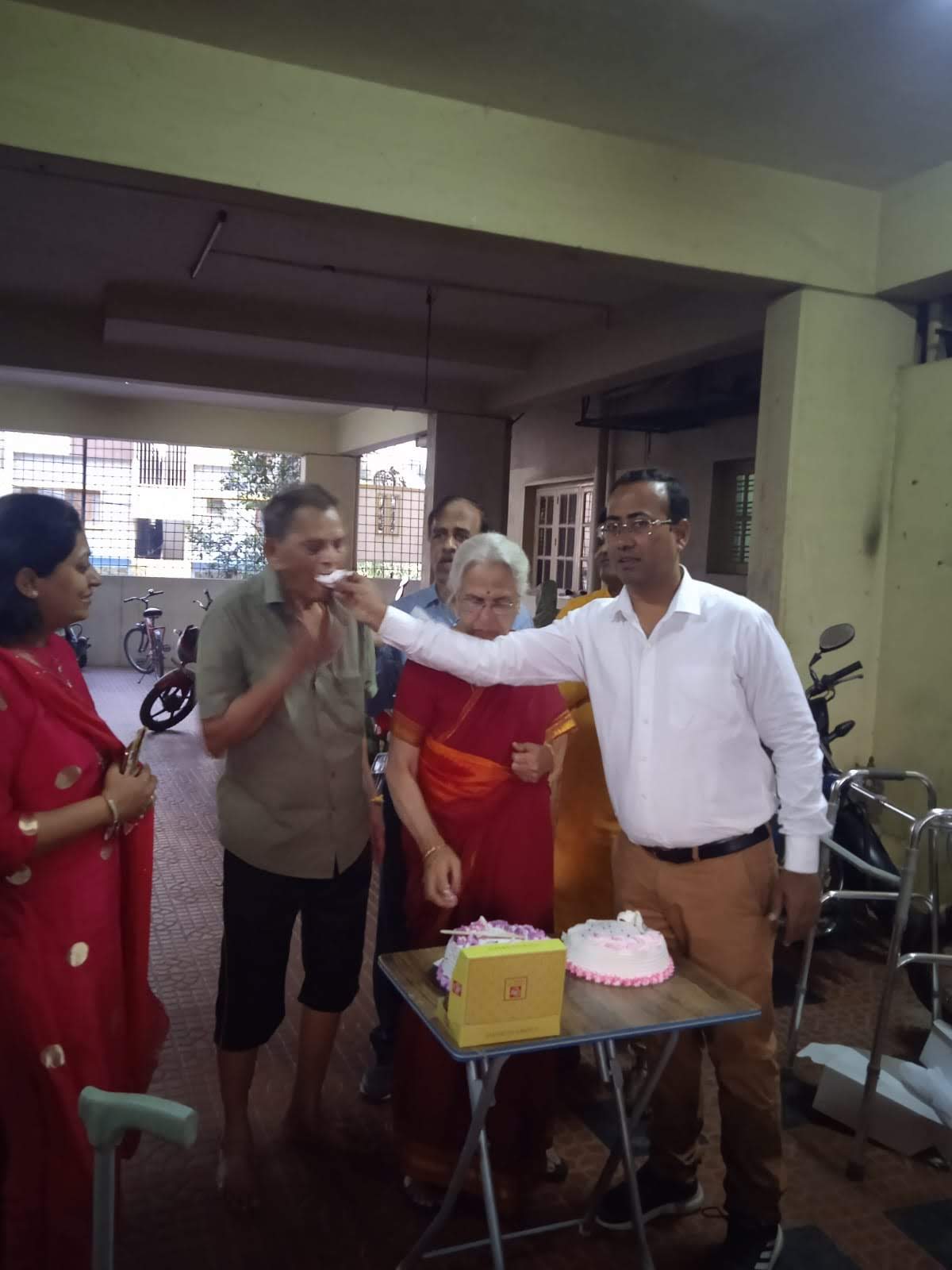
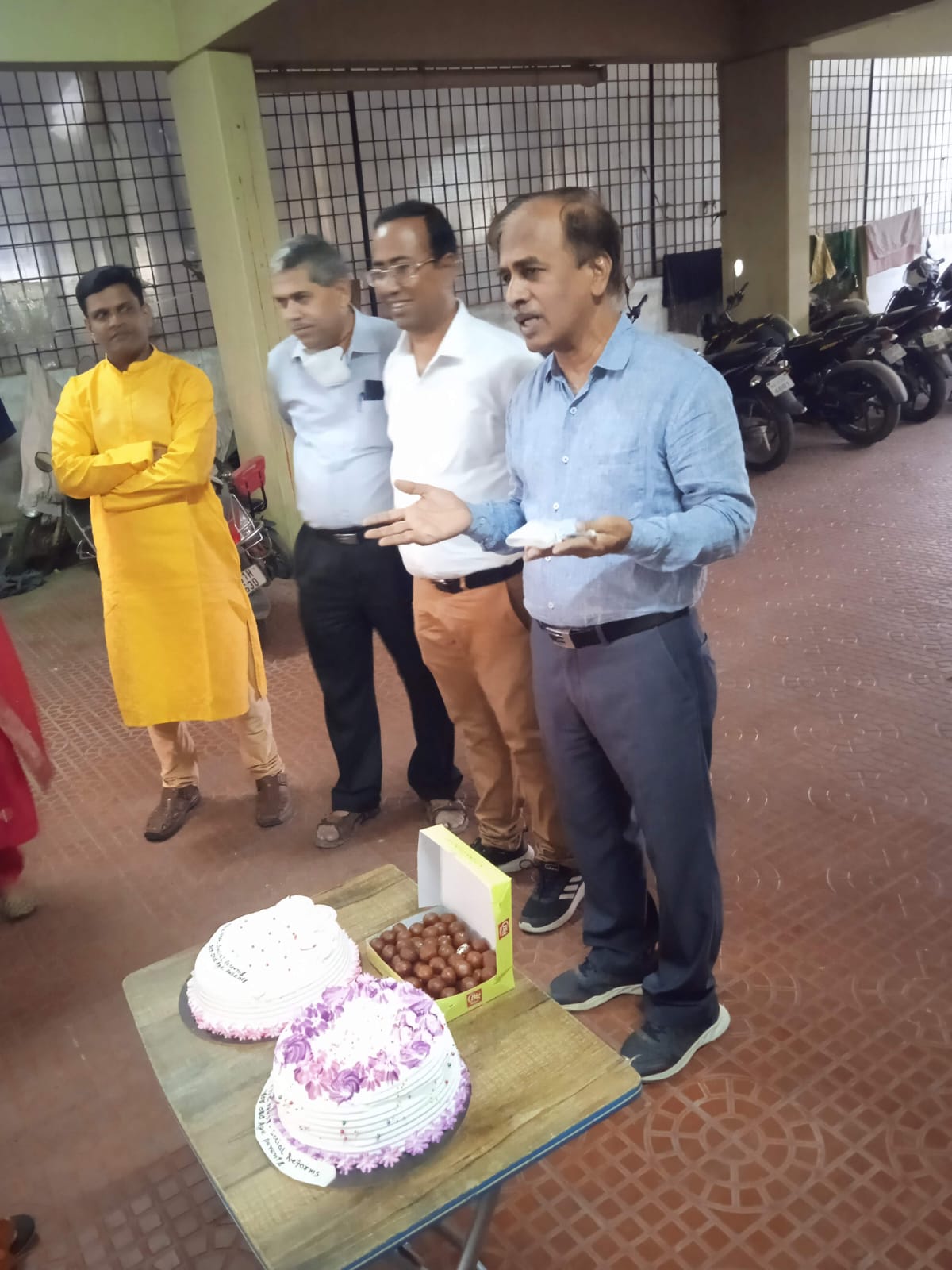
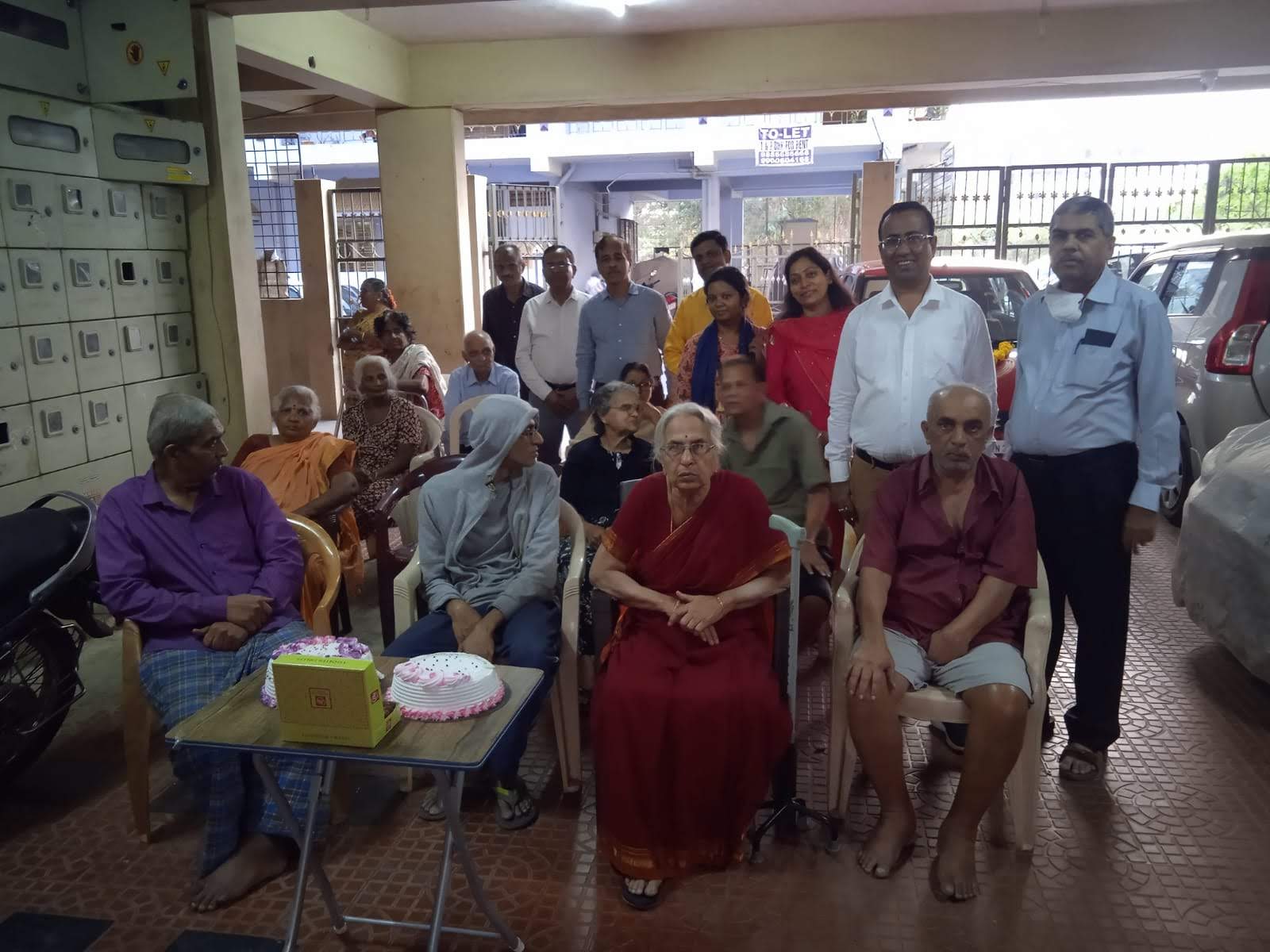
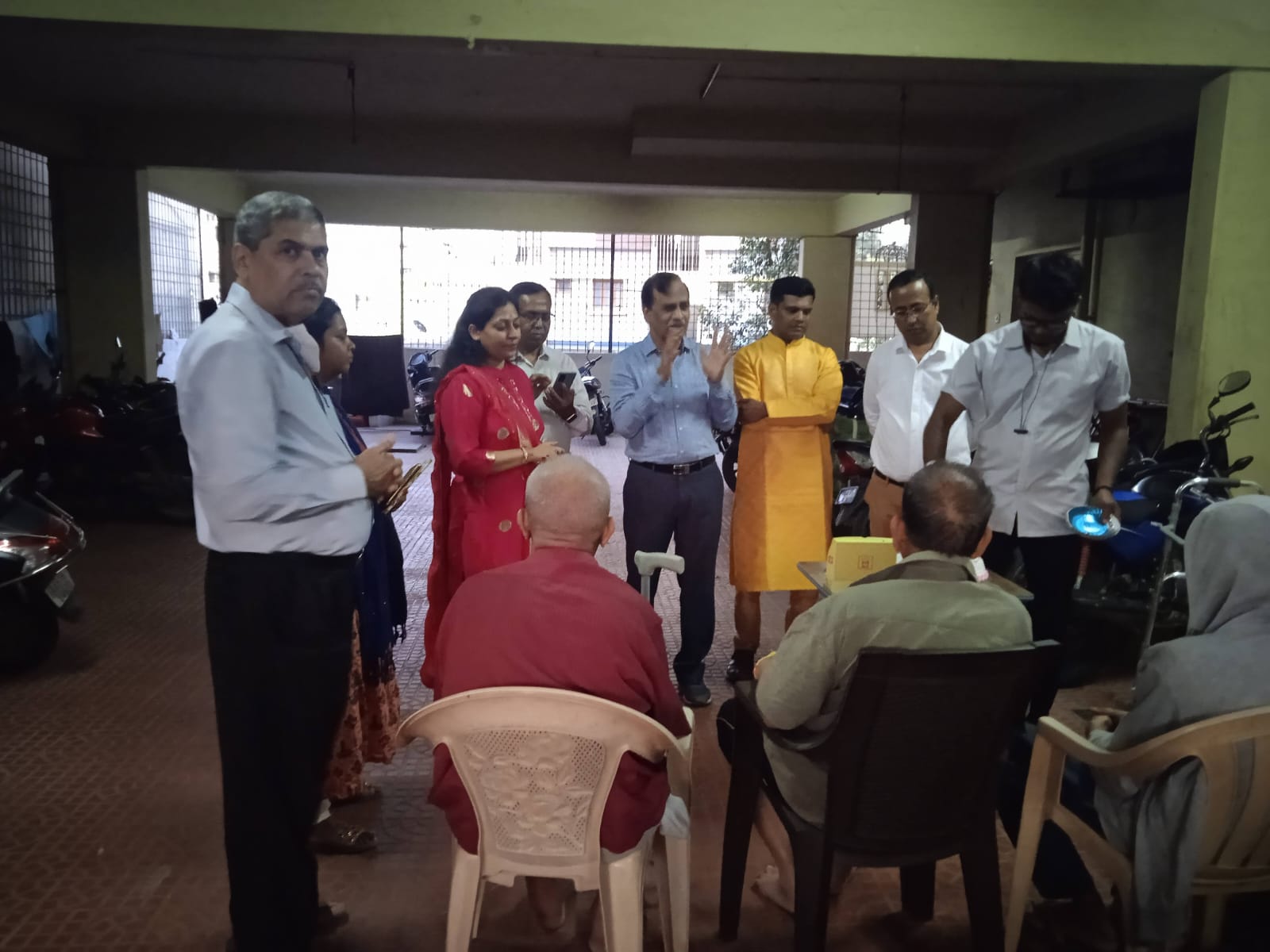
Programme No. 1 · 22 March 2023
Ugadi Celebrations at Ananda Vihar, Gottigere
The first visit to Ananda Vihar was organised to celebrate Ugadi with elderly residents.
What was initially planned as a festival celebration turned into an important learning experience. The residents shared their feelings of loneliness and the lack of emotional involvement from family members, even when their children lived nearby.
The interaction helped the group understand that elderly people need more than physical facilities. They need to feel remembered, included and loved.
This programme inspired the idea of building stronger emotional connections between generations.
Programme No. 2 · 7 April 2023
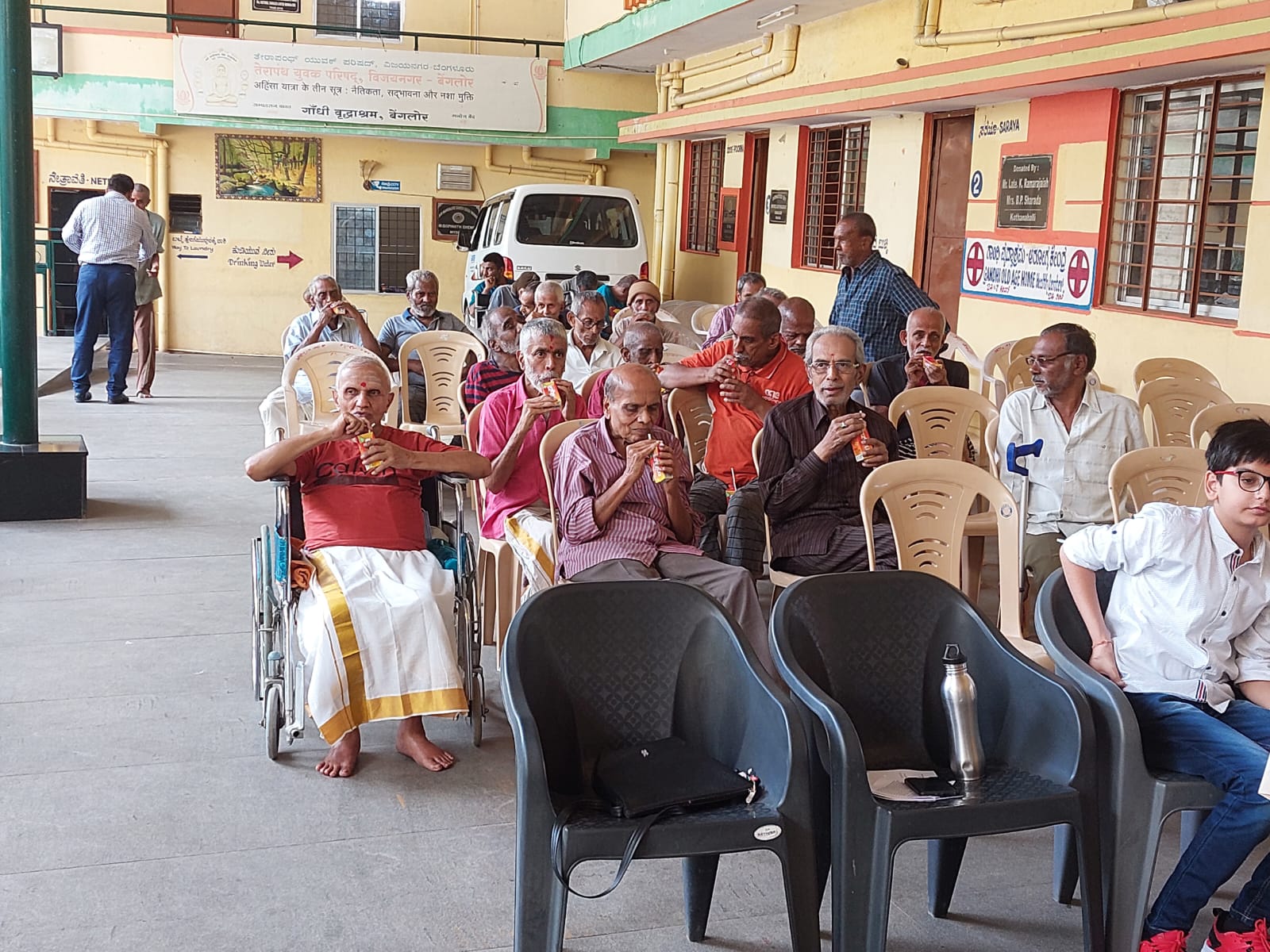
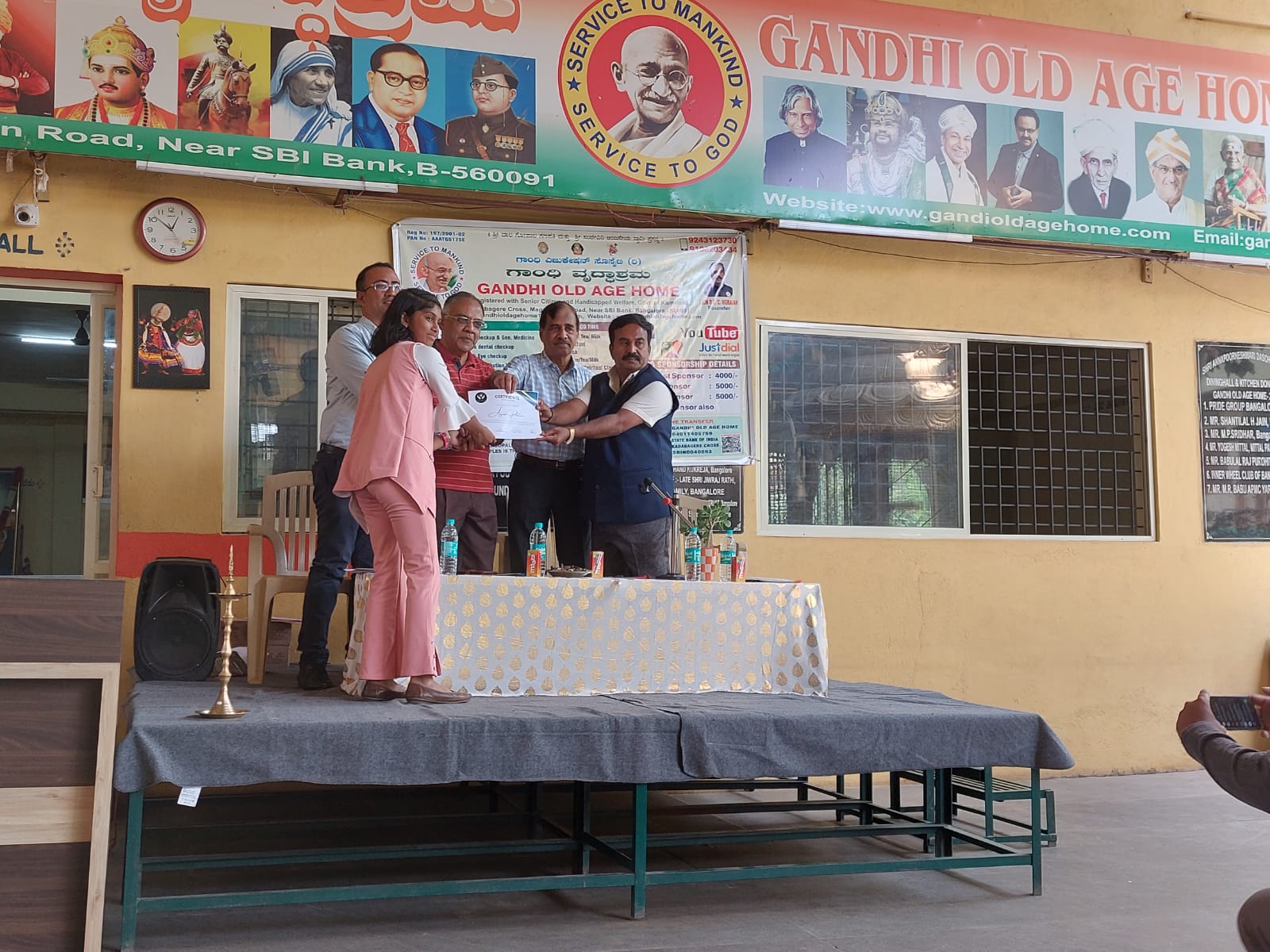
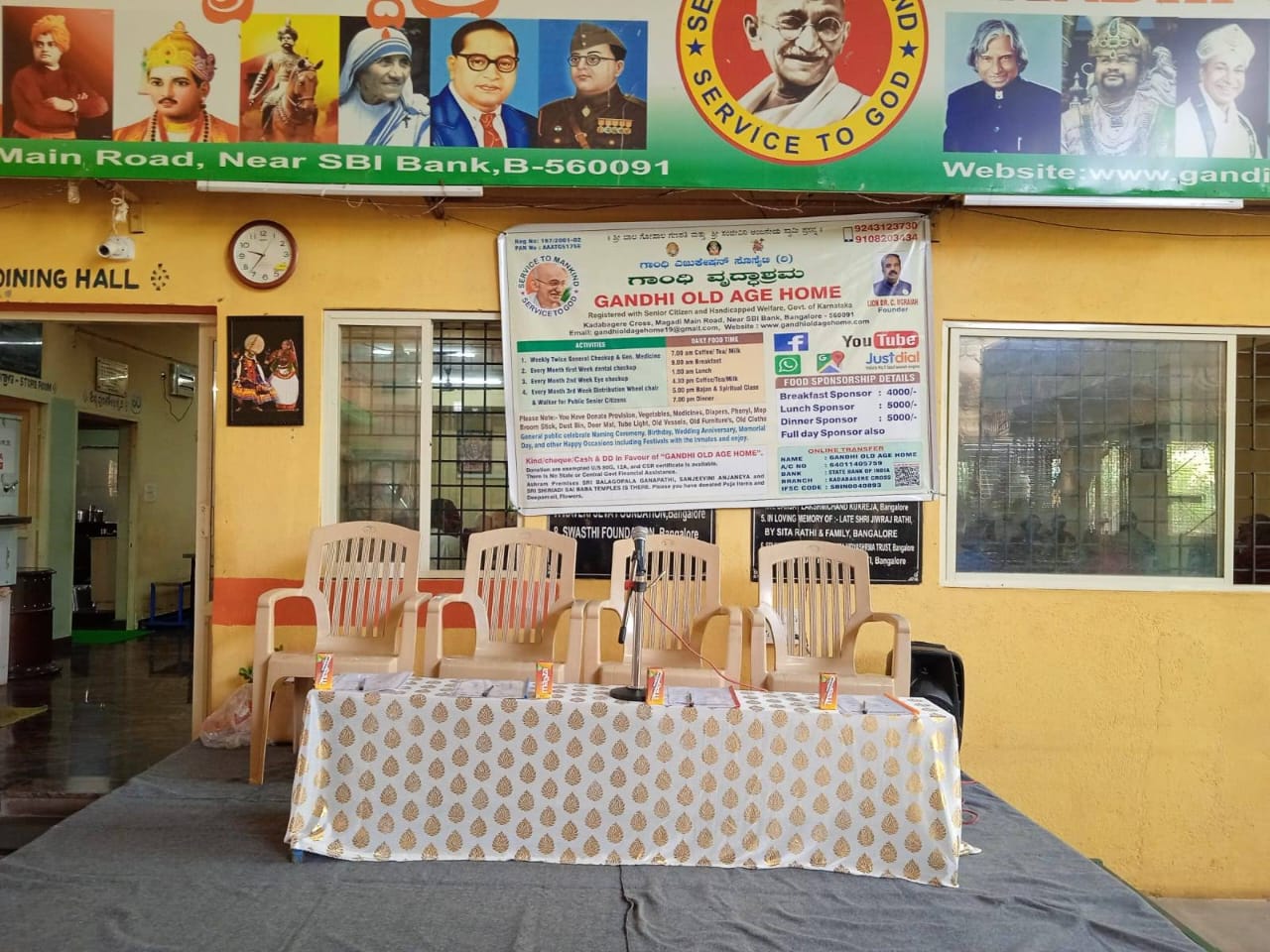
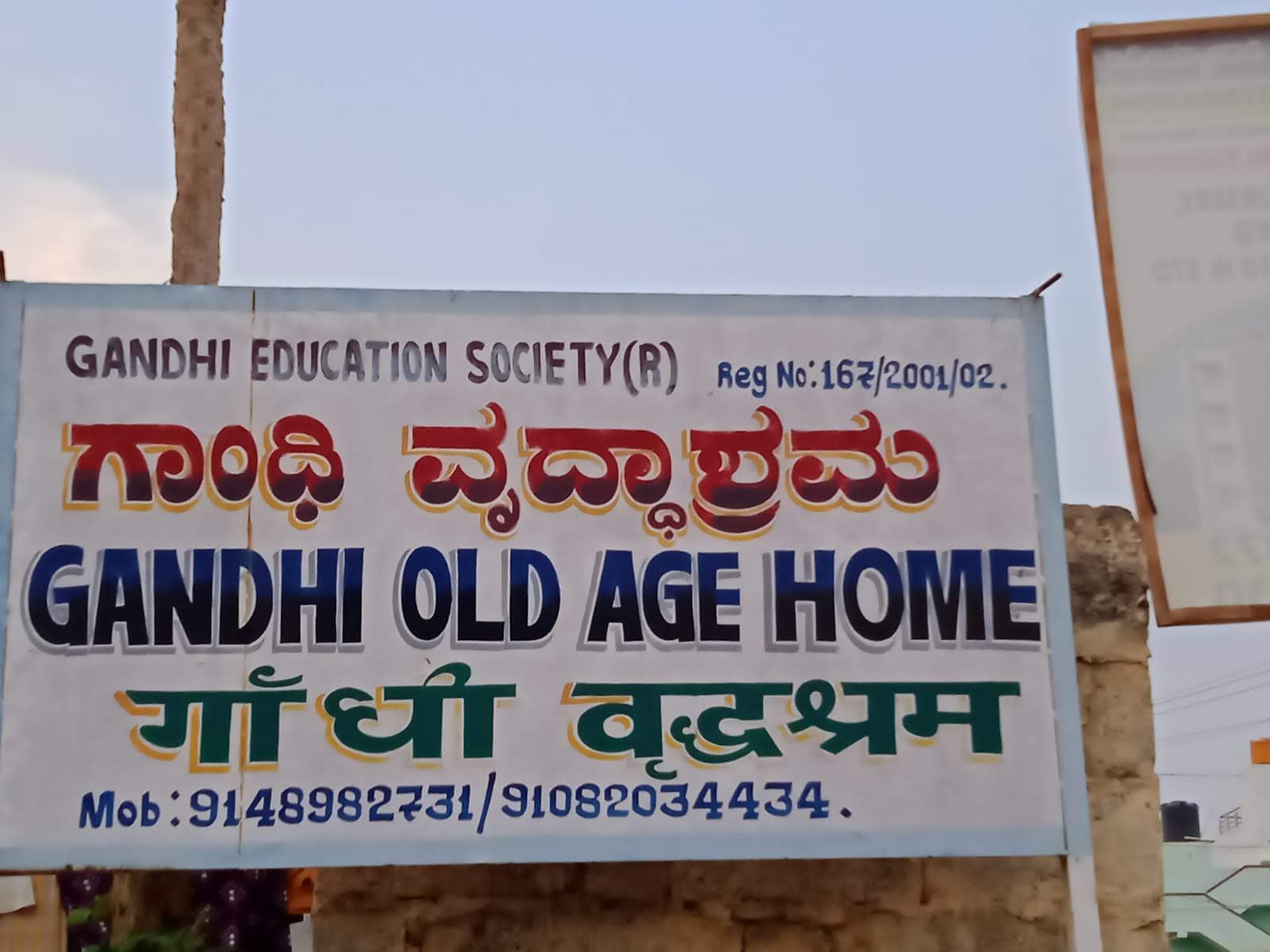
Seminar at Gandhi Old Age Home
A seminar was organised at Gandhi Old Age Home with the involvement of young people.
The objective was to introduce younger participants to the various difficulties faced by elderly residents and help them understand the realities of life in an old-age home.
The programme encouraged interaction and discussion about ageing, loneliness, emotional needs, family relationships and the importance of respecting senior citizens.
It was an early effort to move beyond providing assistance and to make young people understand the circumstances and emotions of elderly residents.
Programme No. 3 · 10 September 2023
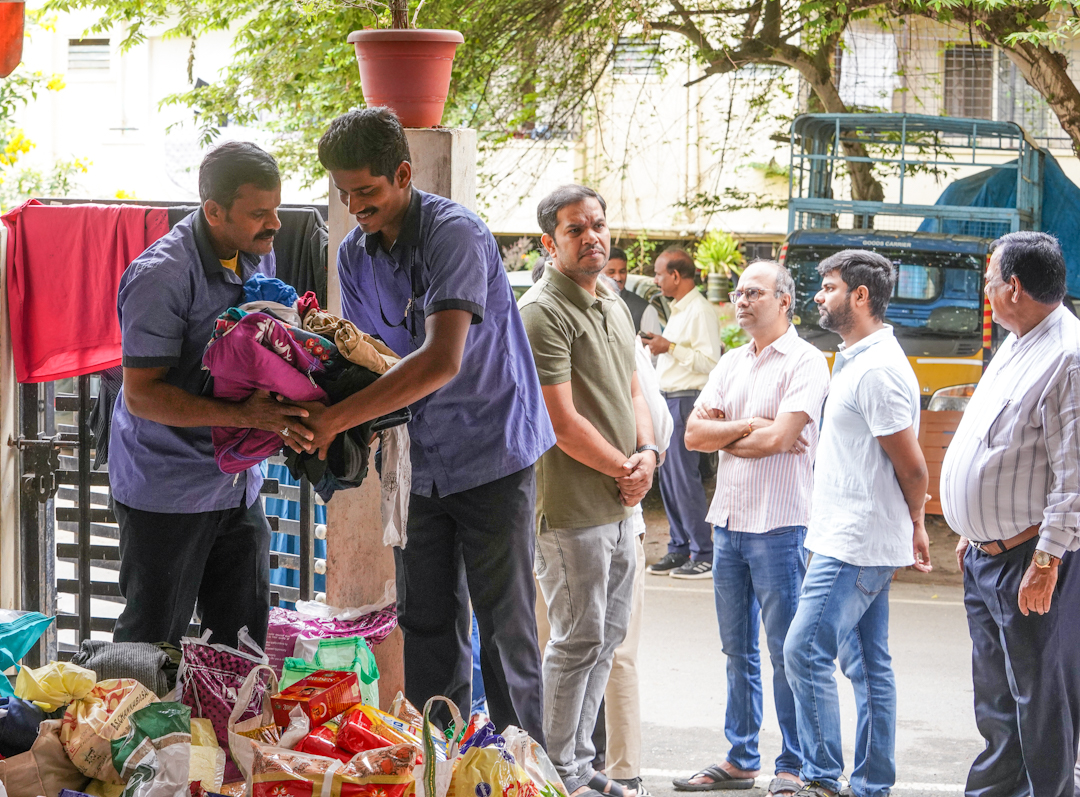
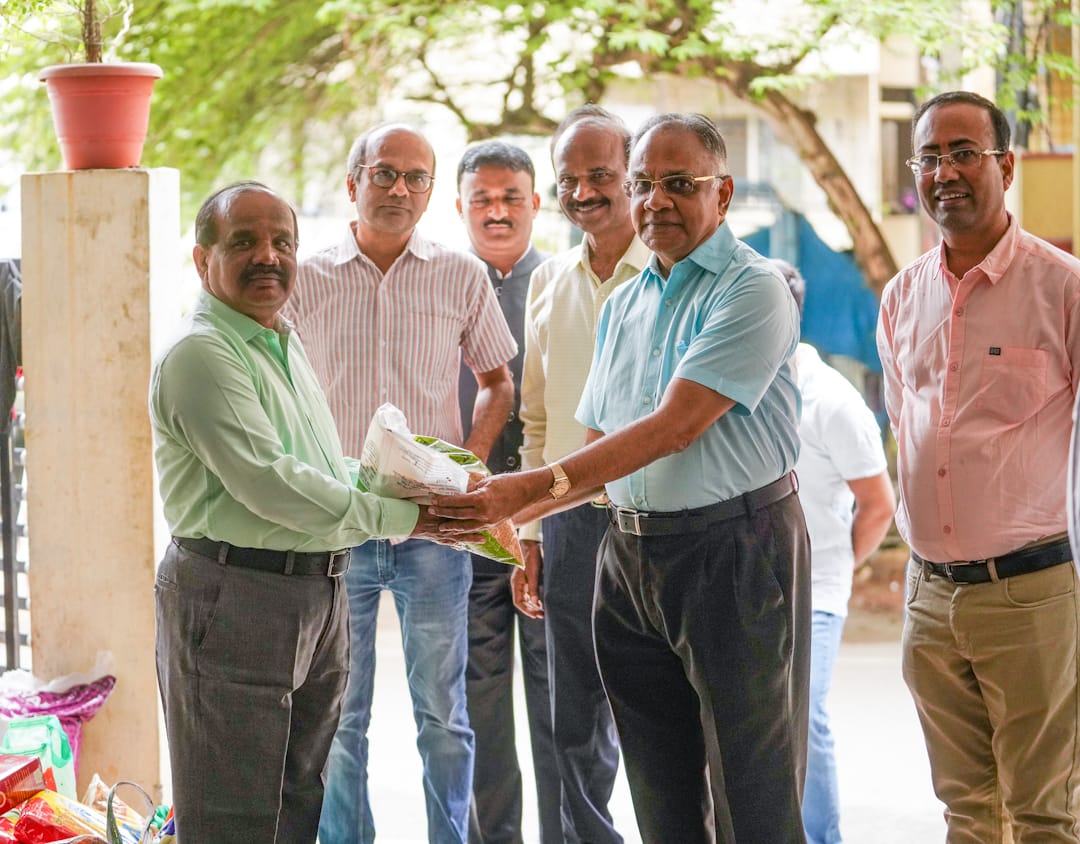
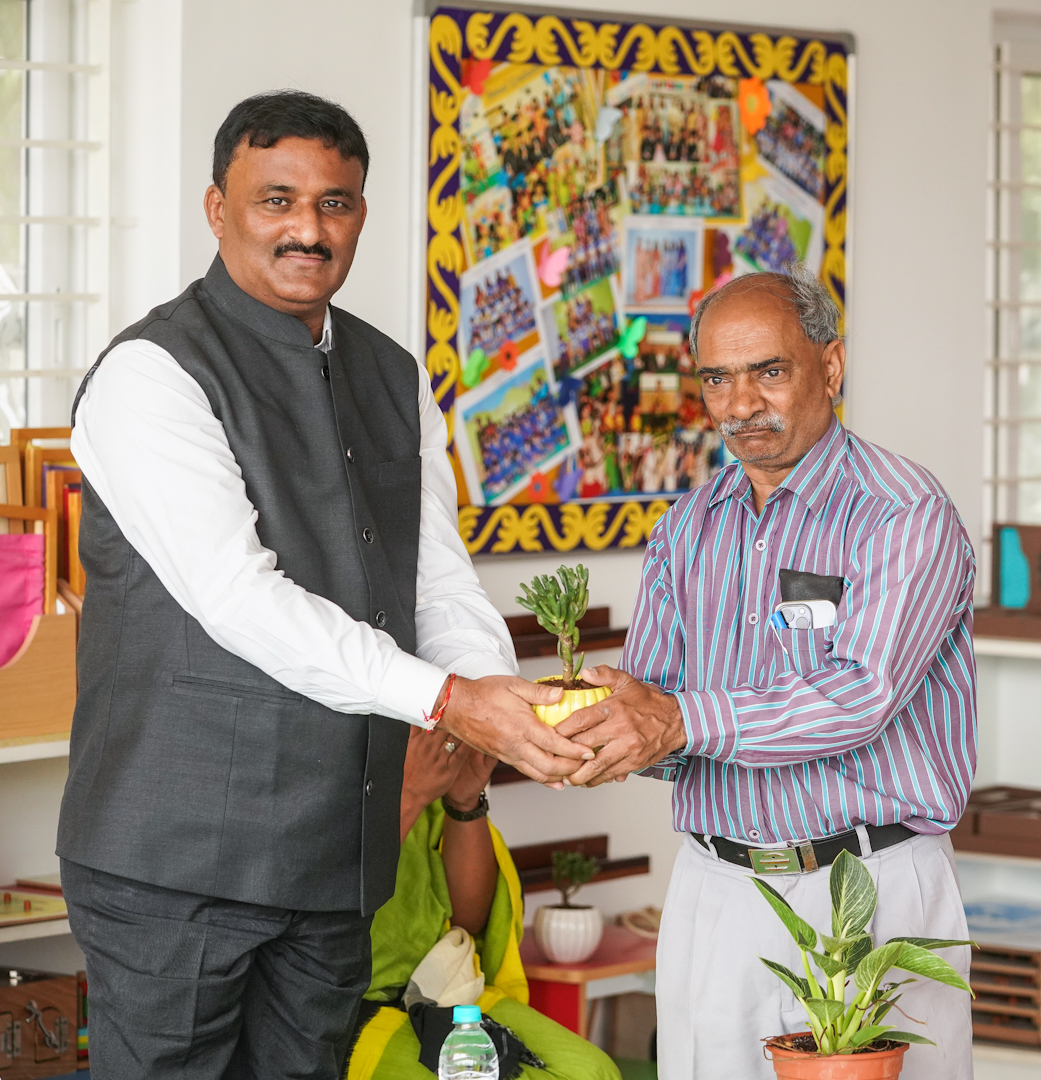
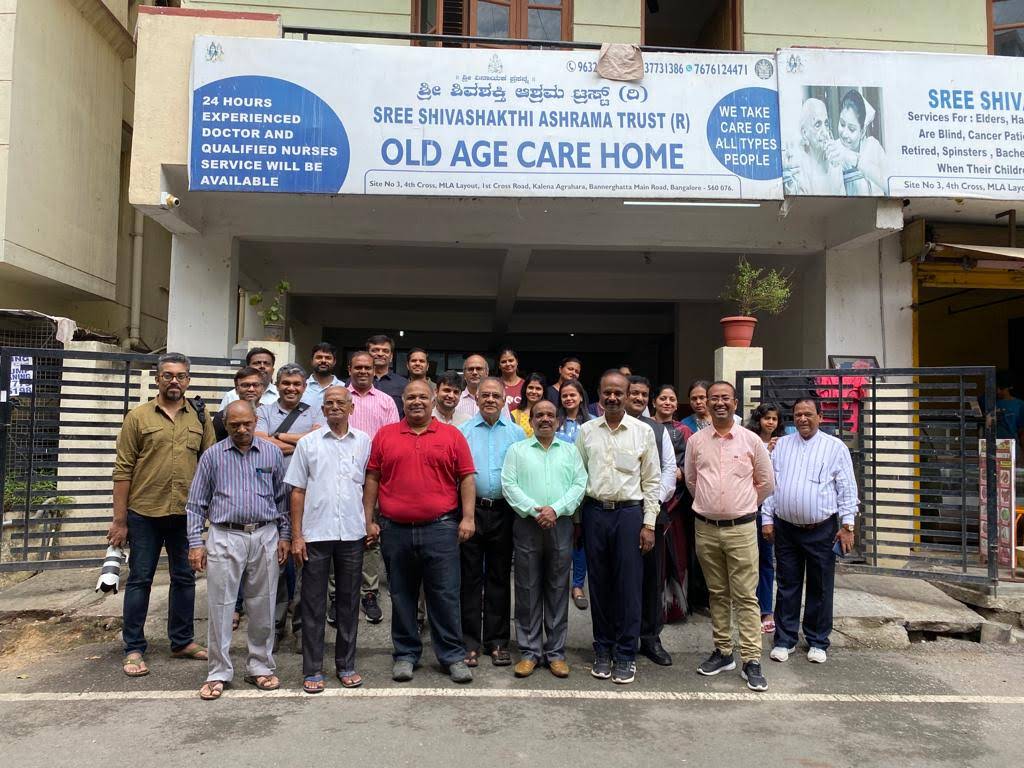
Grandparents' Day at Shree Shivashakathi Ashrama Trust
A Grandparents' Day programme was organised at Shree Shivashakathi Ashrama Trust, bringing together children, young people and elderly residents.
The objective was to create a happy and informal environment in which grandparents and younger participants could spend time together.
The programme highlighted the importance of affection, interaction, shared happiness and mutual understanding.
It also demonstrated that intergenerational engagement need not always take the form of a seminar or awareness programme. Simple celebrations, games, conversations and shared activities can also bring generations closer.
Programme No. 4 · 27 October 2024
Engagement at Jeevan Sandhya Trust
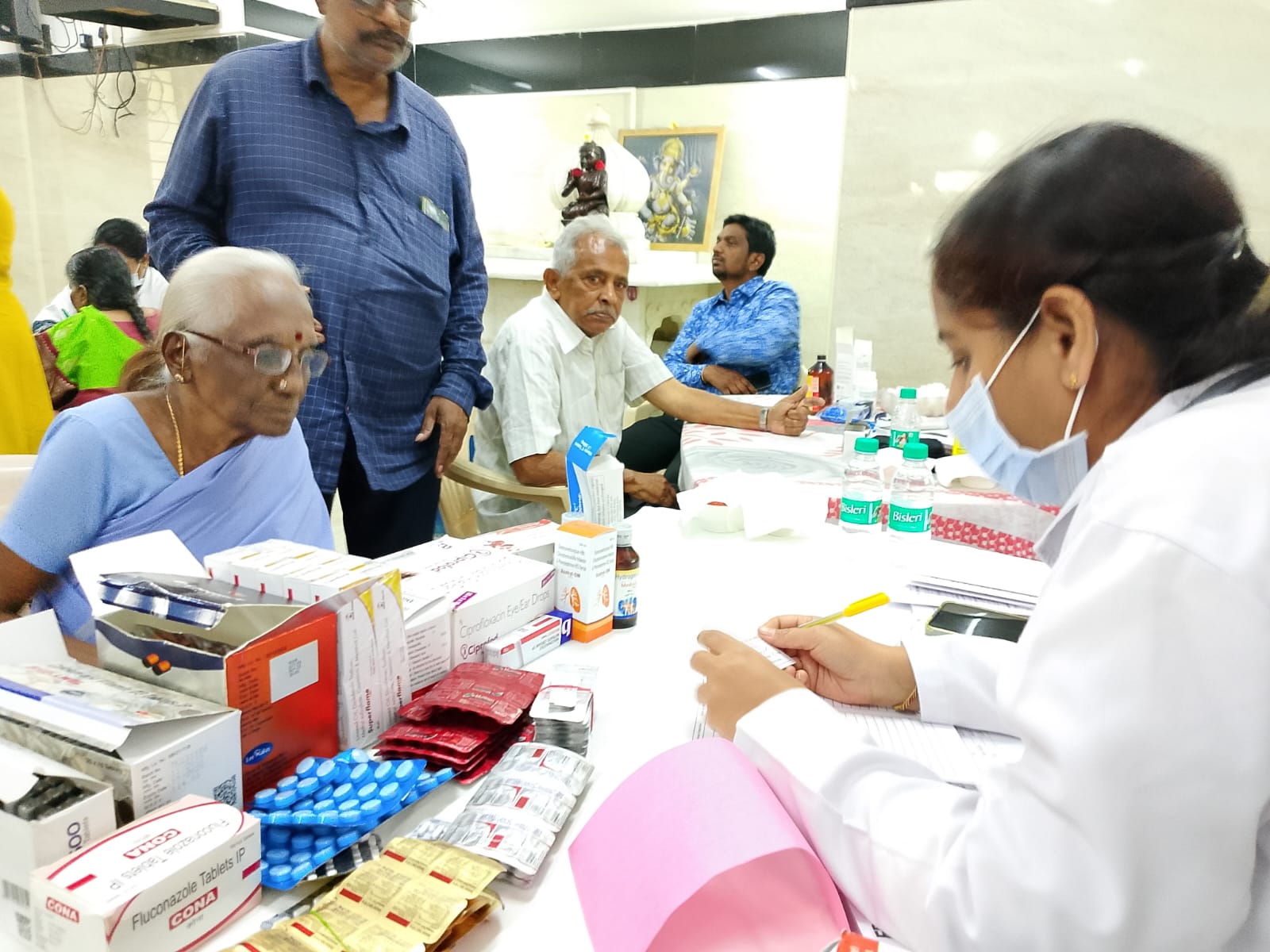
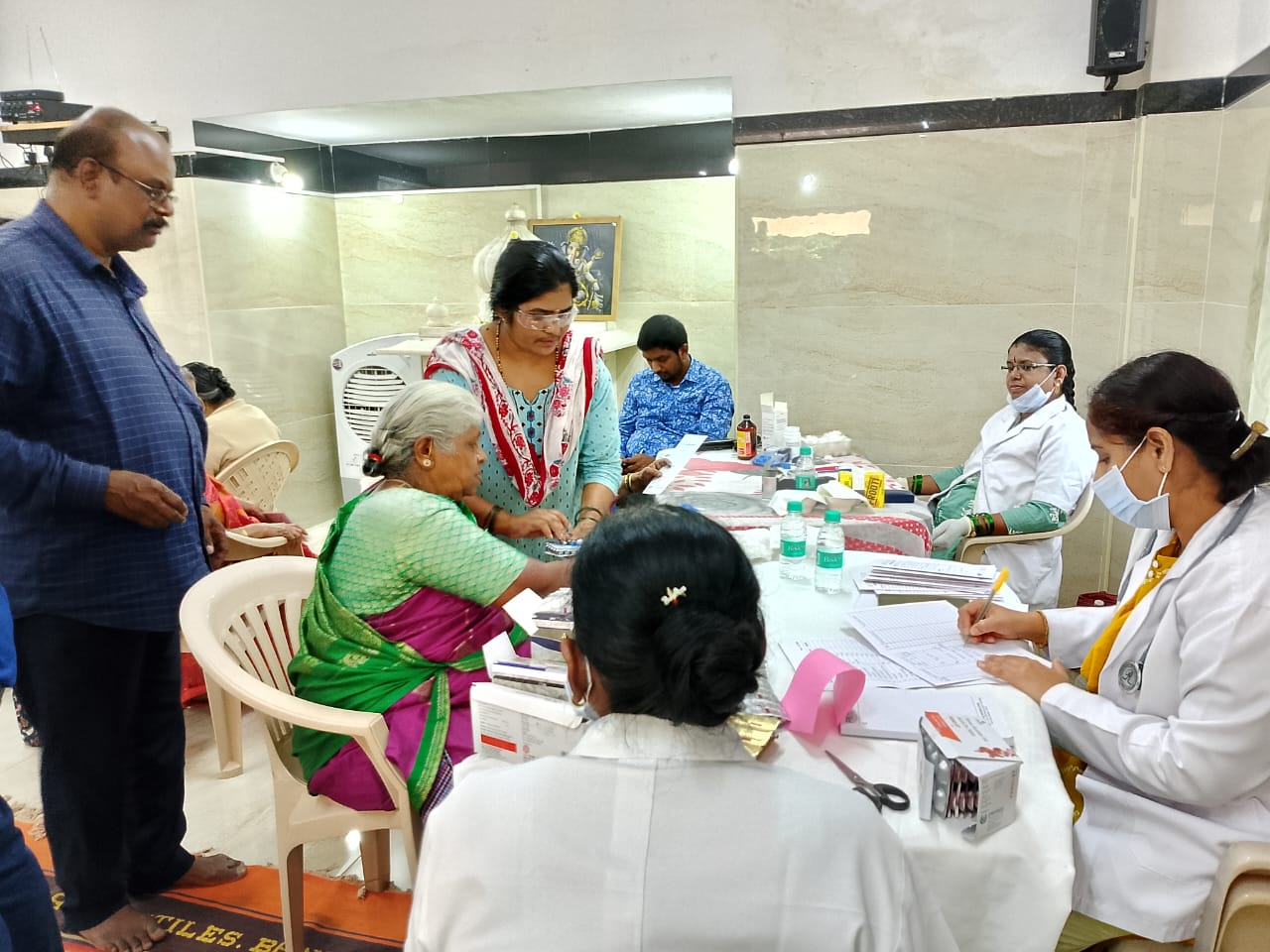
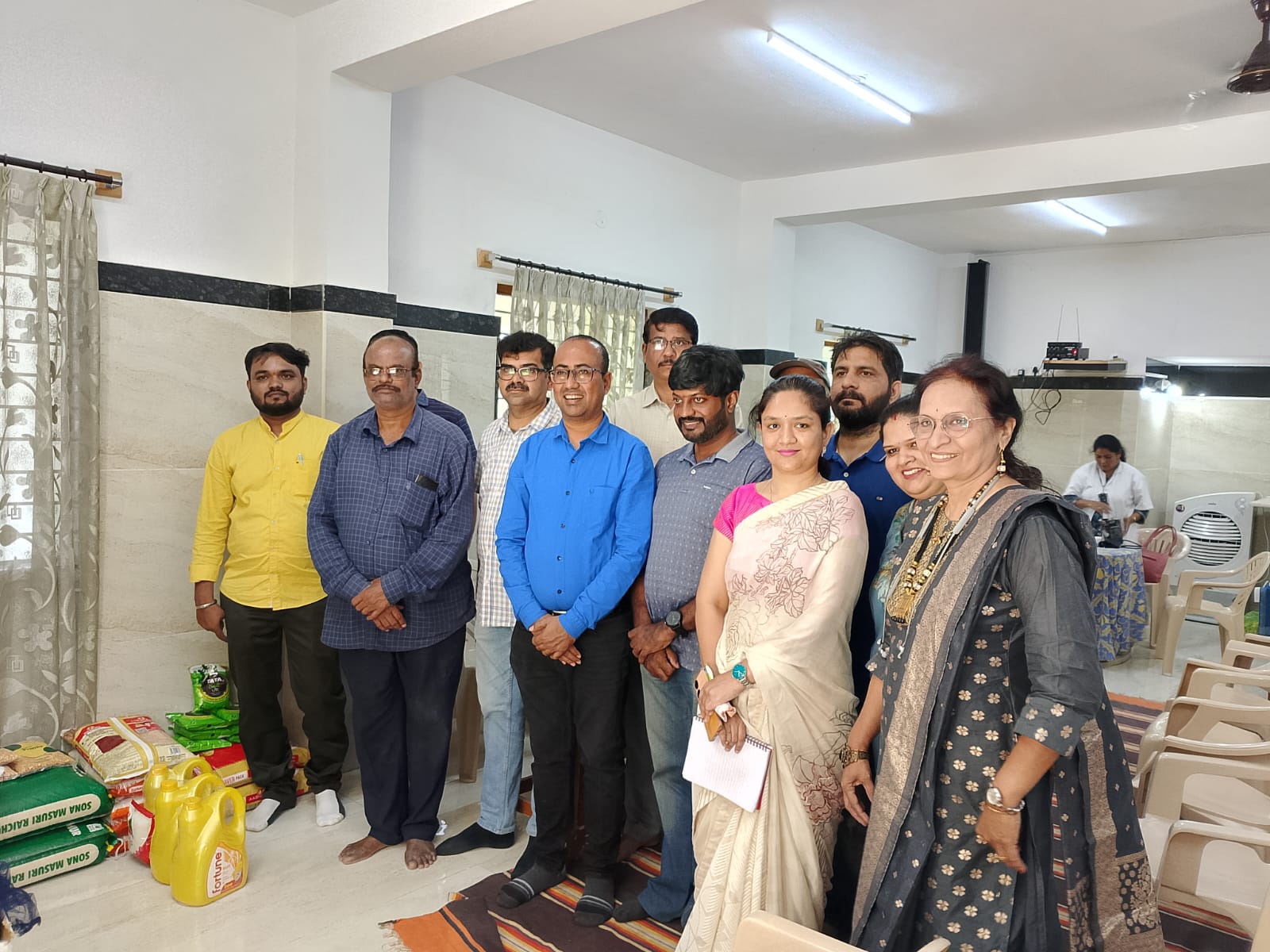
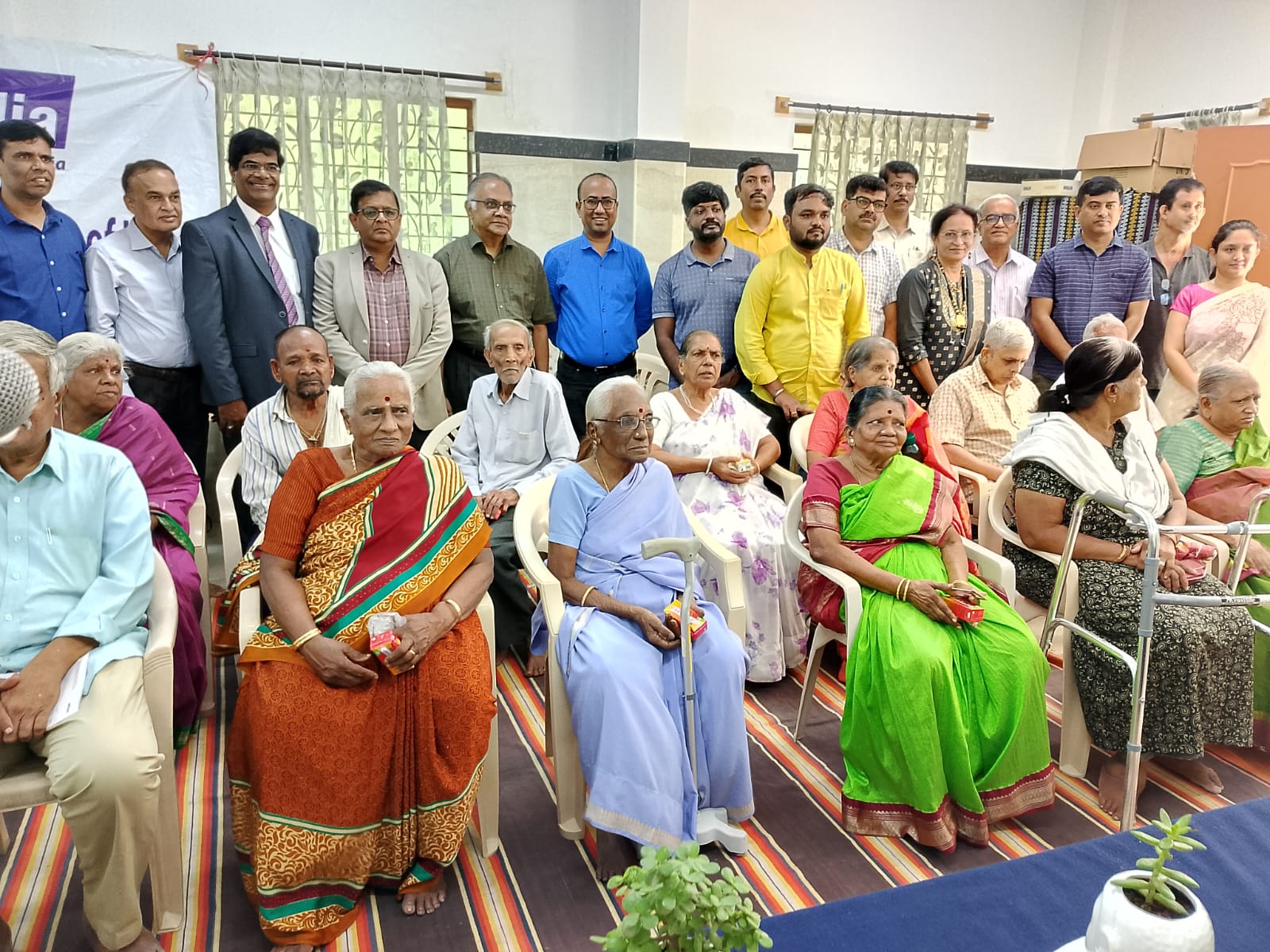
An engagement programme was organised at Jeevan Sandhya Trust, involving elderly residents and young participants.
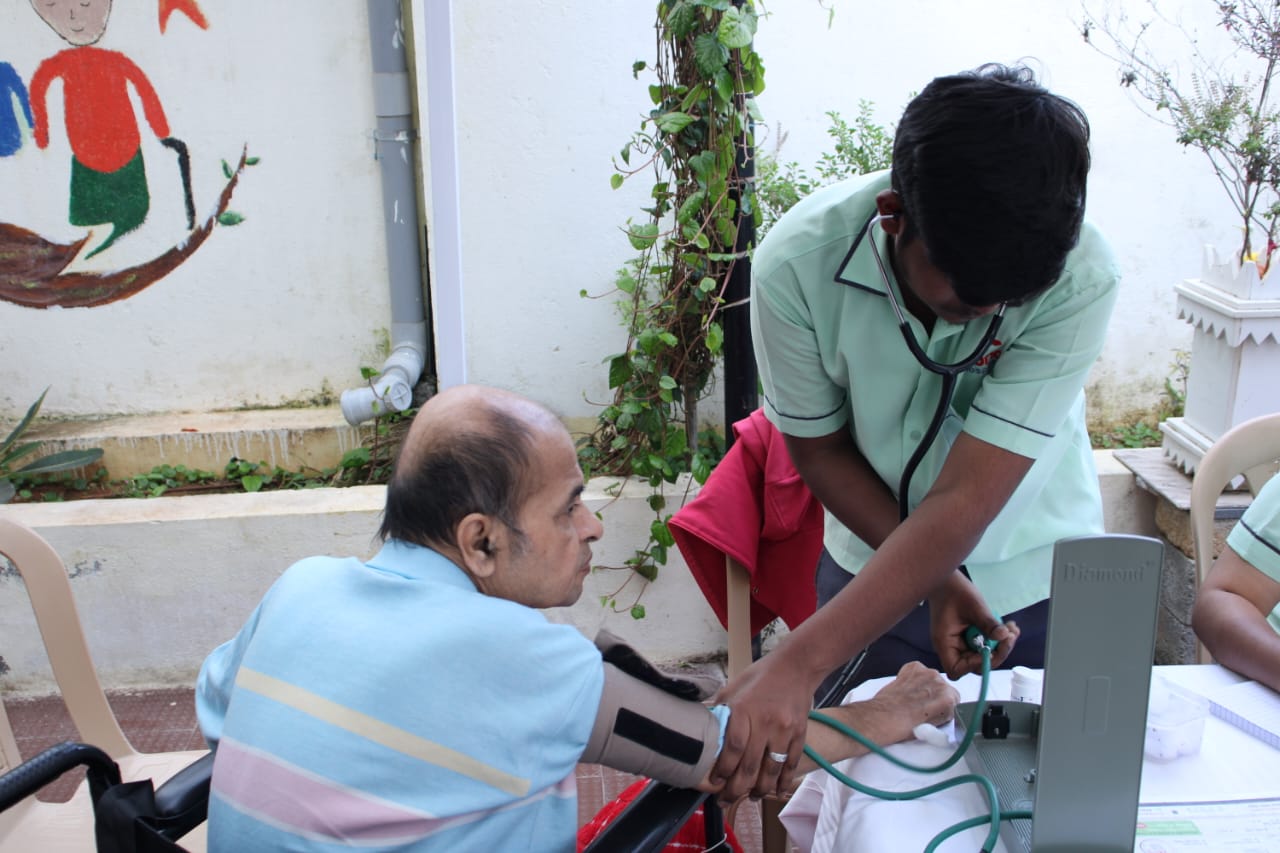
The programme focused on understanding the emotions and experiences of elderly parents. Medical check-up support was also arranged for the residents.
The initiative brought together two important aspects of senior welfare: attention to physical health and concern for emotional wellbeing.
It reinforced the belief that medical assistance and human companionship should go together.
Programme No. 5 · 16 March 2026
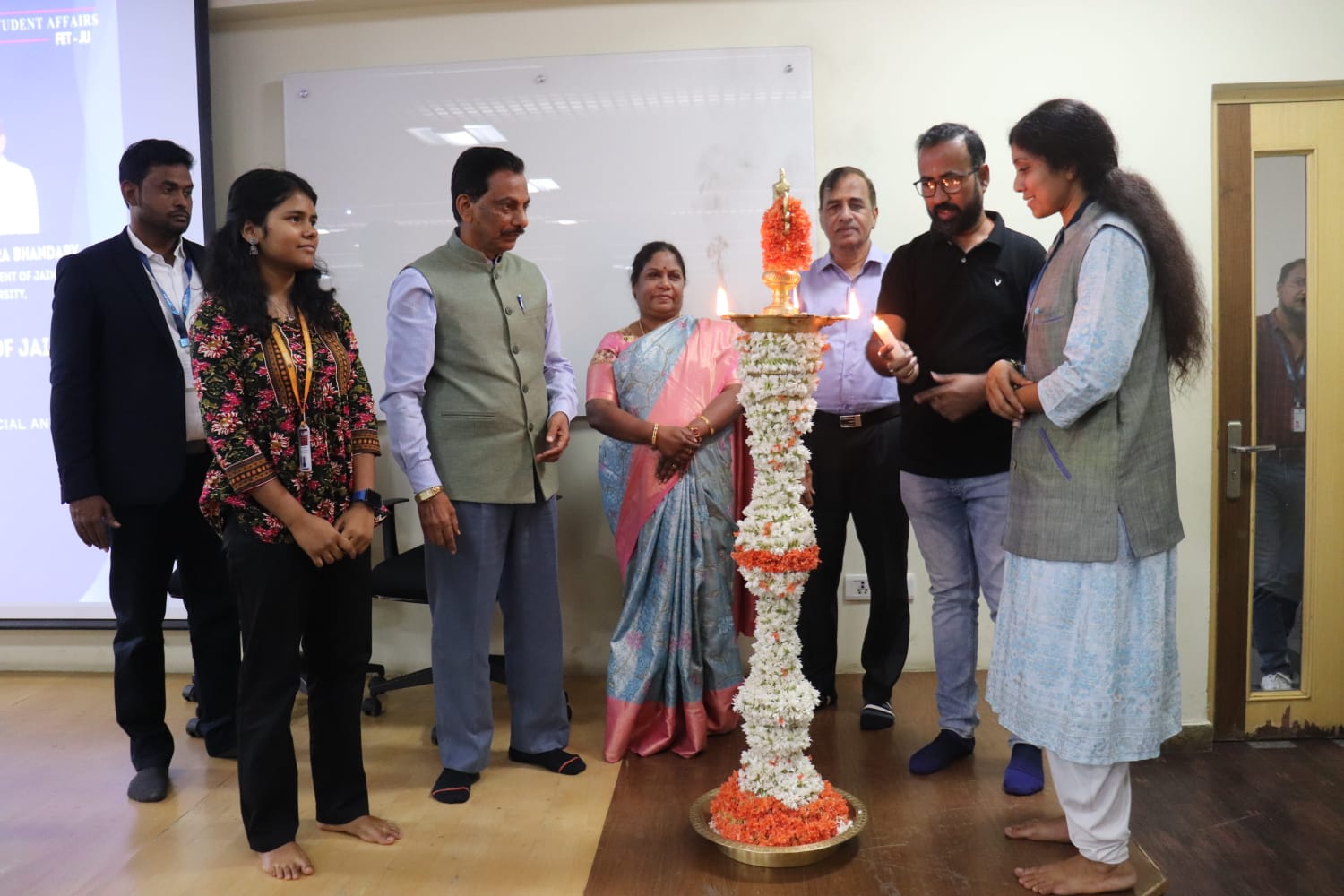
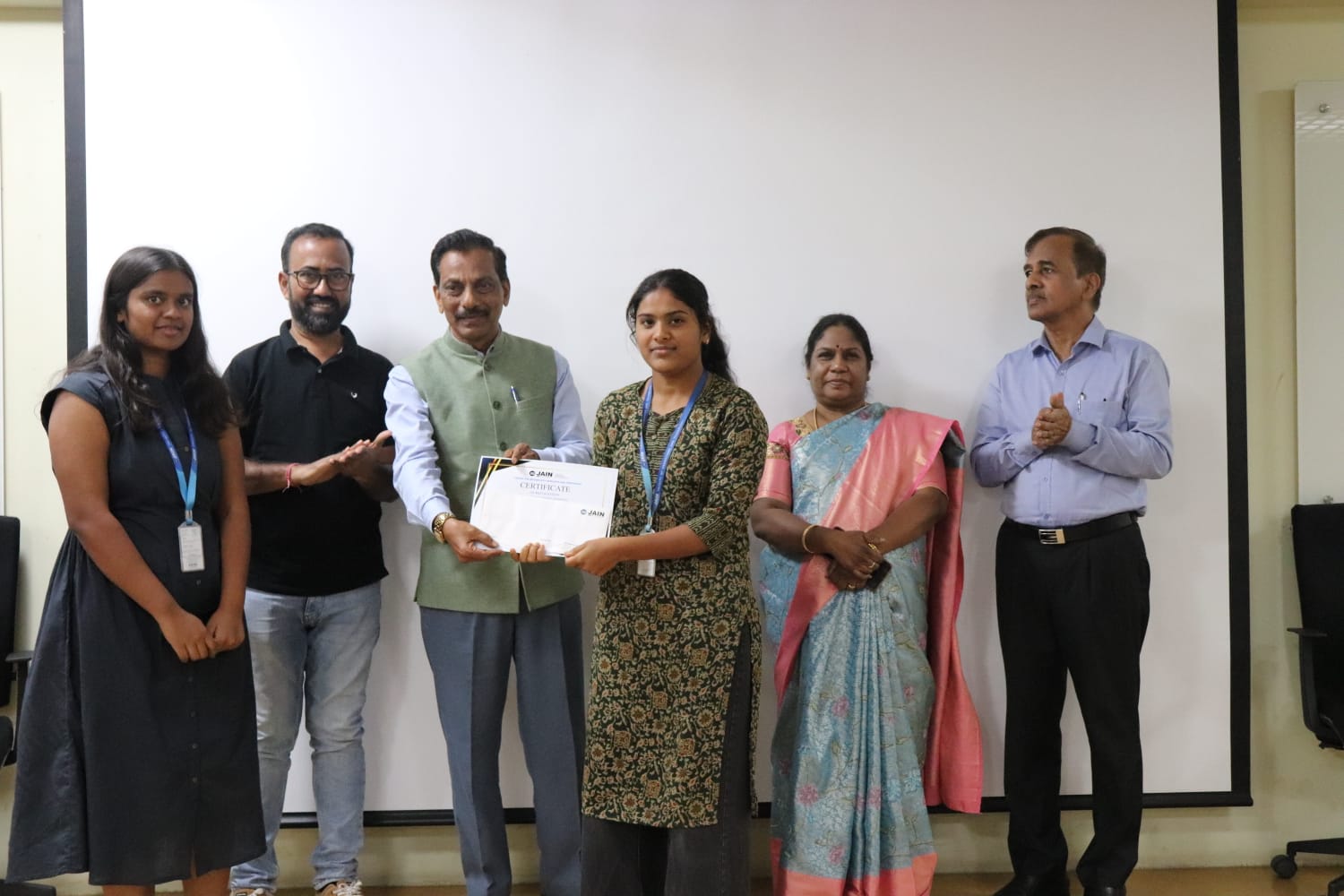
Intergenerational Programme with Jain (Deemed-to-be University)
One of the significant initiatives was organised in association with Jain (Deemed-to-be University).
As part of the programme, students visited old-age homes and spent time with elderly residents. Rather than limiting their involvement to a short visit, students were encouraged to interact with the residents and understand their emotions, experiences and day-to-day challenges.
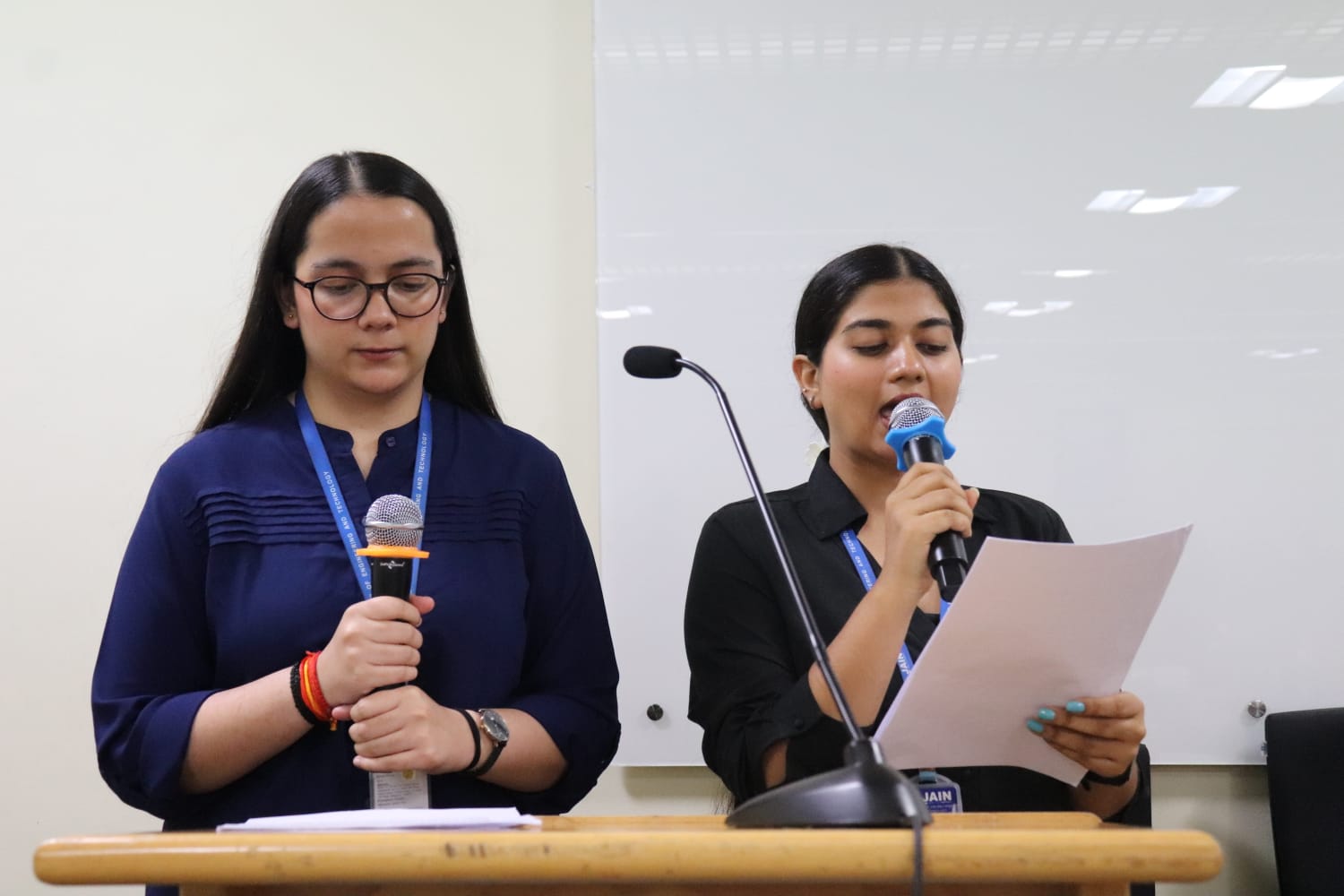
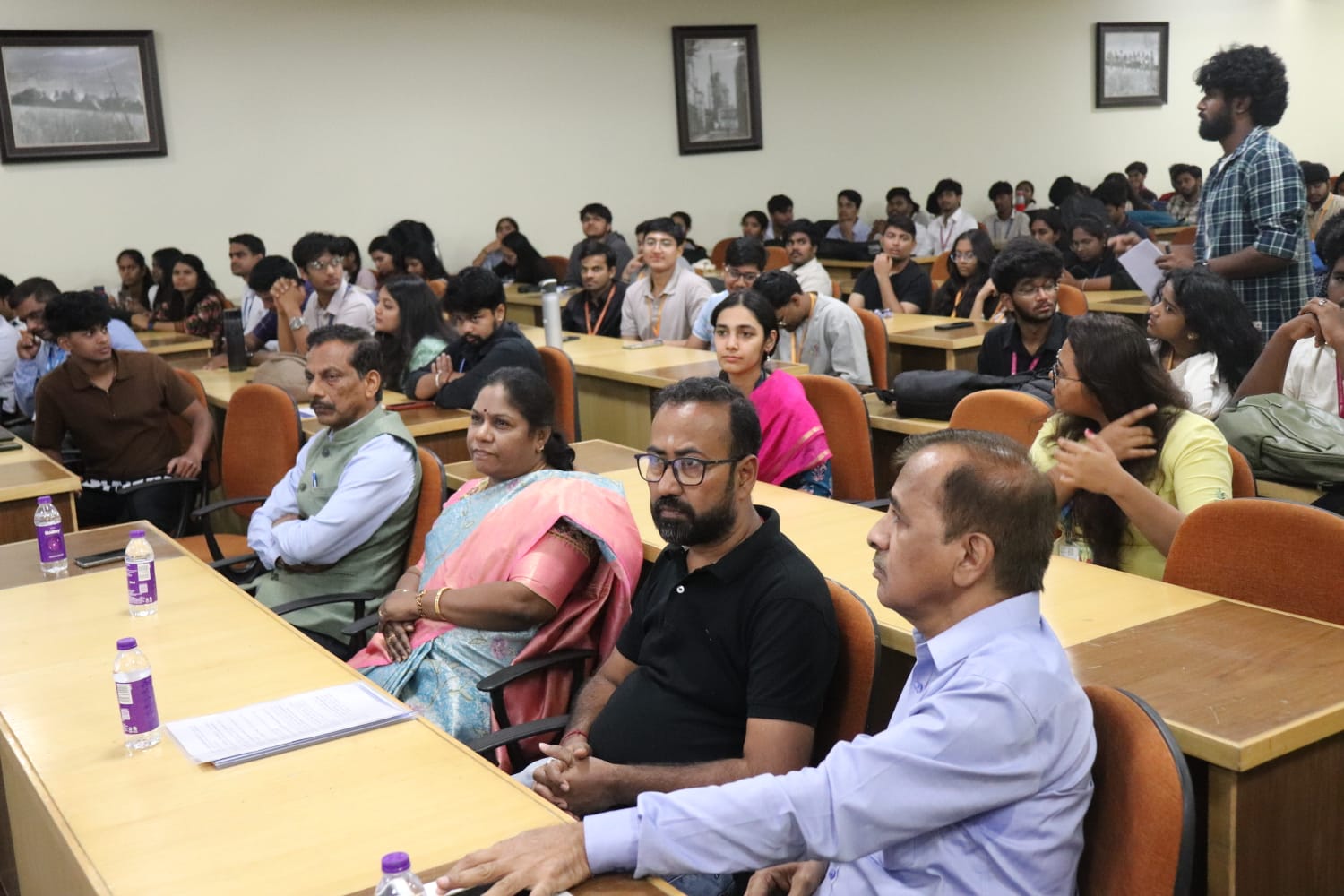
After these visits, the students presented their observations and experiences before approximately 500 students.
This programme was particularly meaningful because the students were able to share their learning with a much wider audience.
The exercise helped demonstrate that real-life interaction can teach lessons that cannot always be learnt through textbooks or classroom discussions.
It also provided an opportunity for students to reflect on their responsibilities towards elderly people, family relationships and society.
The programme represented an important step towards involving educational institutions in sustained intergenerational engagement.
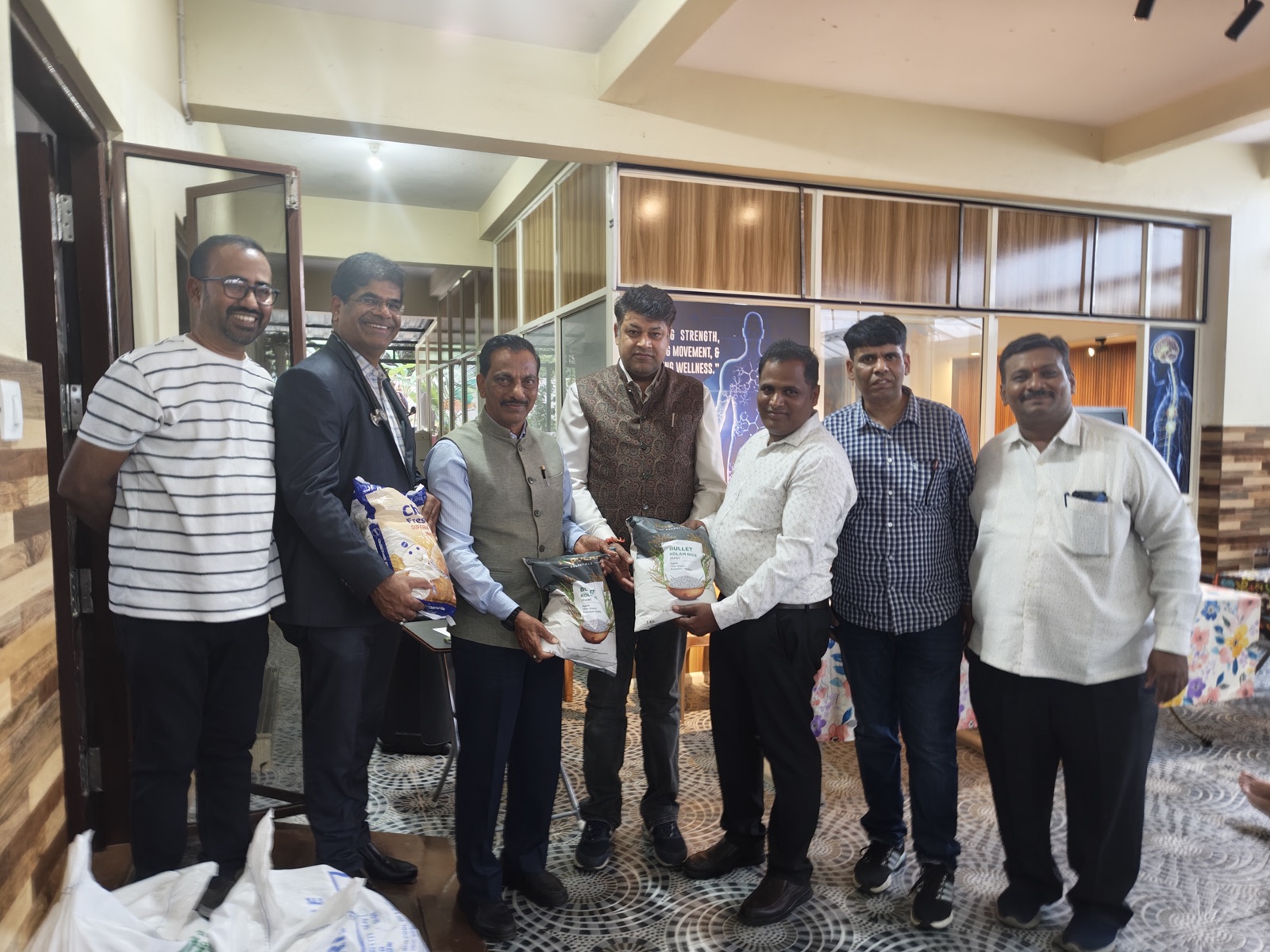
Programme No. 6 · 2 October 2026
Gandhi Jayanti Programme at Ananda Vihar Senior Homes and Health Care Centre
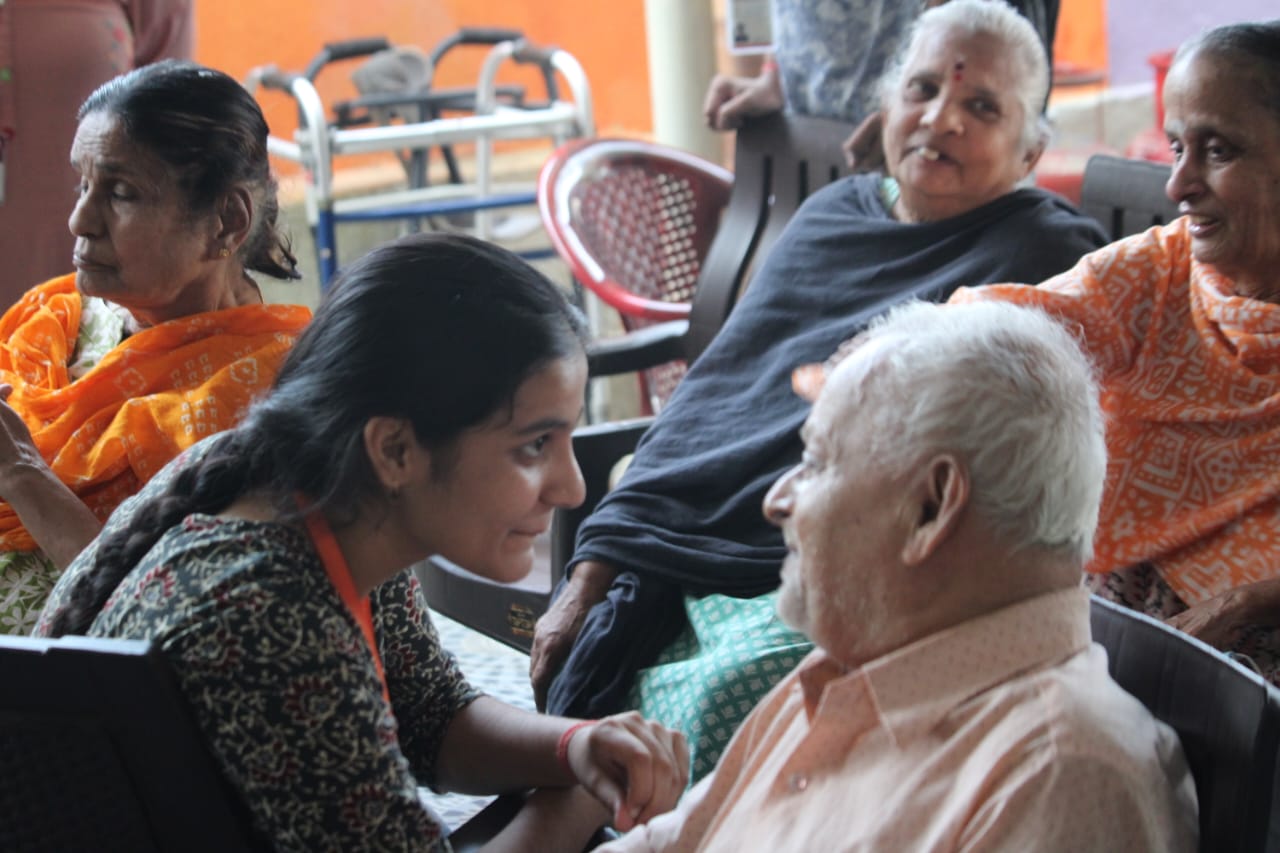
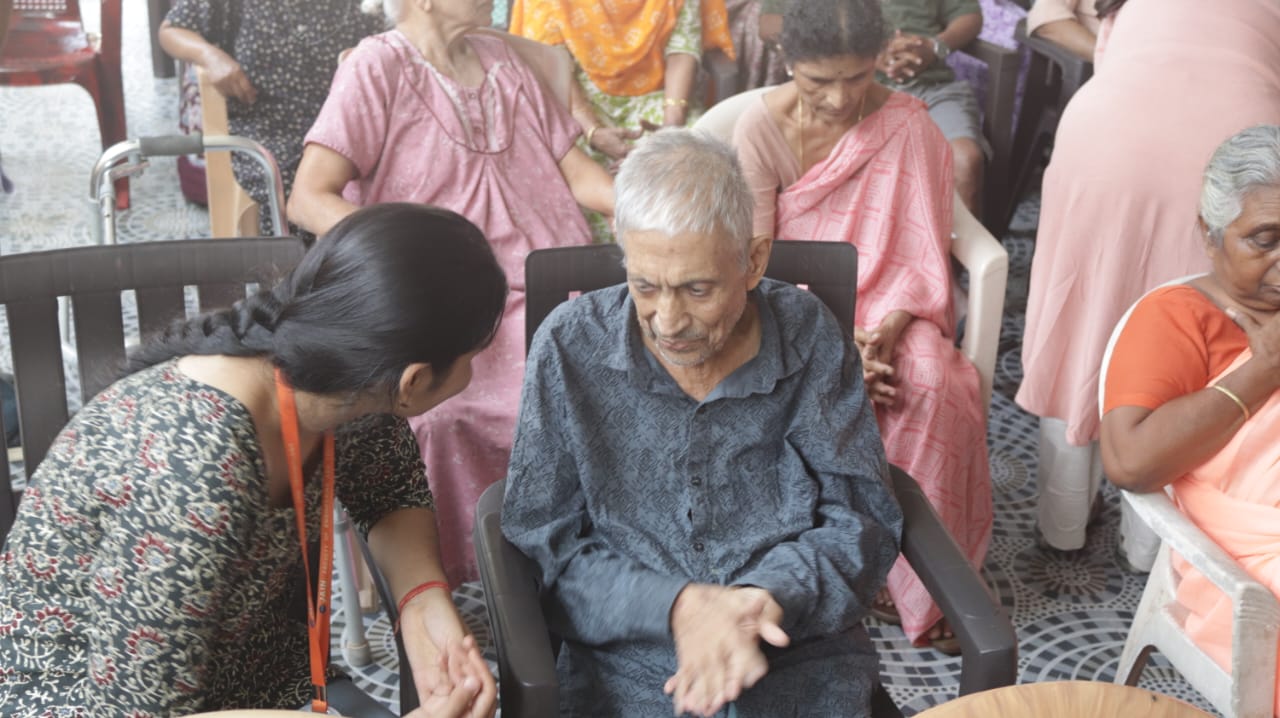
The Trust organised a programme at Ananda Vihar Senior Homes and Health Care Centre, Vaderahalli, Bengaluru, to mark the birth anniversary of Mahatma Gandhi.
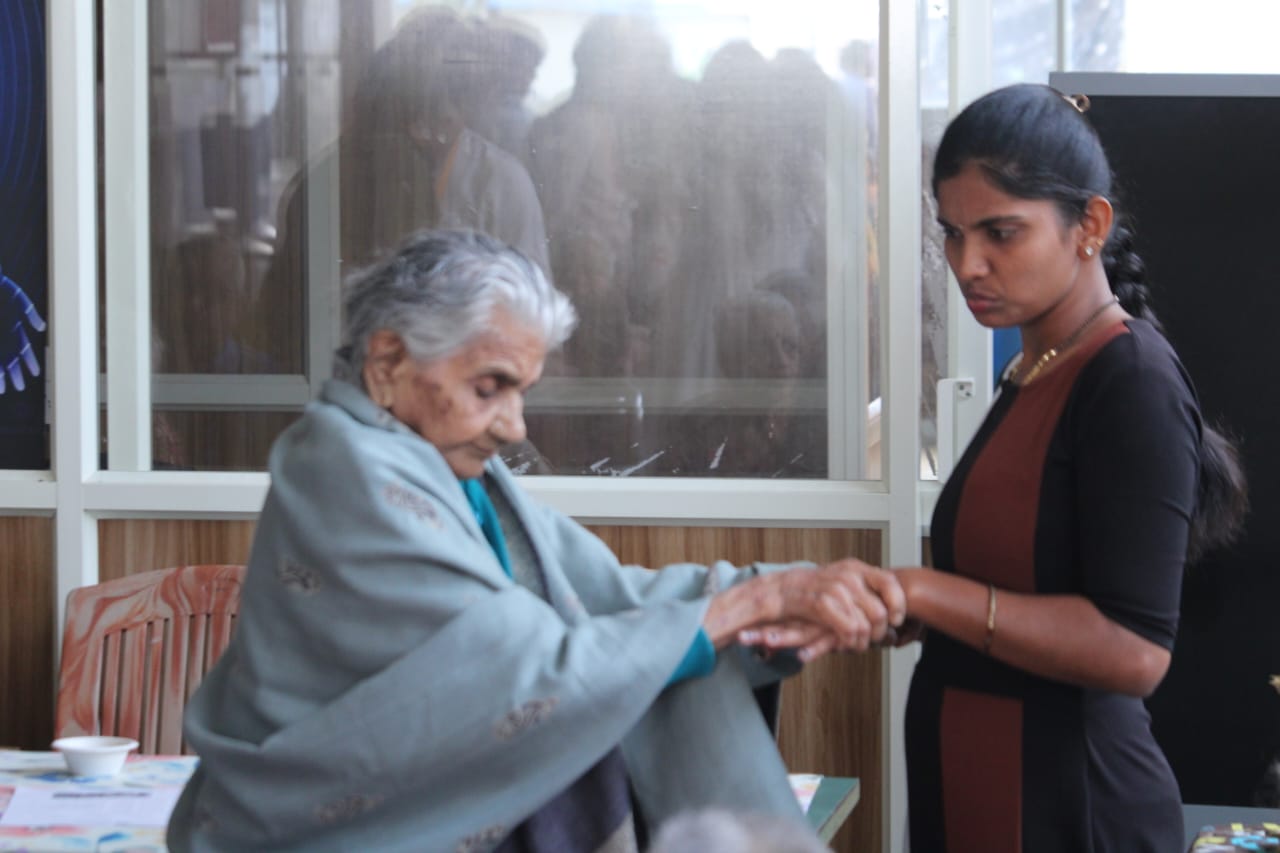
The programme brought together elderly residents, students and members of the Trust.
It included medical check-up support for elderly residents and interaction between the residents and 25 students.
The students were encouraged to understand the lives, emotions and experiences of senior citizens through direct interaction.
The programme also marked the launch of the Trust's website, www.theprogenitor.in, providing a platform to communicate its objectives, activities and future plans.
This programme was an important milestone because it was organised after the formal establishment of The Progenitor as a charitable trust.
It reflected the Trust's intention to combine practical support, medical attention, student participation and meaningful interaction under an organised institutional framework.
4What the programmes have taught us
The experiences gained through these six programmes have helped the Trust arrive at certain important observations.
- Loneliness is not always related to the absence of family members. Even elderly people whose children live nearby may experience emotional isolation.
- Medical care alone is not sufficient. Physical health is important, but emotional wellbeing, companionship and dignity are equally significant.
- Young people need opportunities for direct interaction. Reading about old age and listening to classroom lectures cannot fully replace spending time with elderly people and understanding their experiences.
- Senior citizens have much to contribute. Their knowledge, memories, life lessons and experiences can guide younger generations.
- Technology can become a bridge. Young people can use their technological skills to help elderly people remain connected, independent and safe.
- One-time activities need to develop into regular programmes. Sustainable change requires continuity, institutional participation, community involvement and proper planning.
These observations form the basis of the Trust's proposed three-stage development programme.
5The vision: A three-stage approach
The Progenitor intends to develop its activities gradually. The Trust recognises that meaningful social change cannot be achieved merely by announcing ambitious programmes. It requires understanding the ground realities, building relationships, developing capabilities and ensuring that each stage creates a foundation for the next.
Accordingly, the Trust proposes the following three stages.
Stage I
Understanding, Supporting and Connecting Generations
The immediate priority: Reach the elderly, understand their needs and bring young people closer to them.
The first stage will concentrate on strengthening the activities already undertaken by the group and making them regular, organised and more effective.
A. Support to old-age homes and senior citizens
The Trust proposes to visit old-age homes and understand the actual needs of their residents and management.
Depending on available resources and identified requirements, assistance may include:
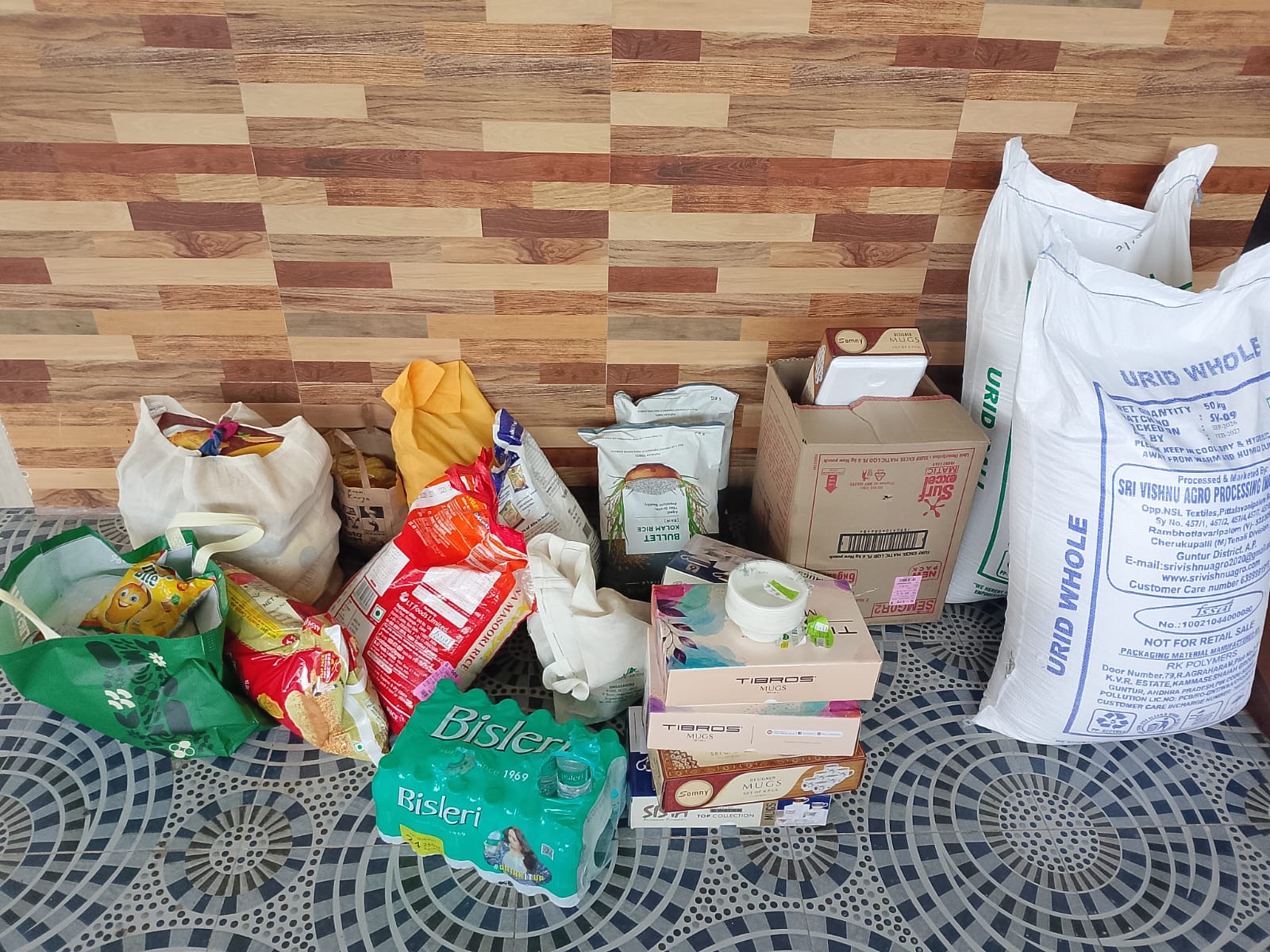
- Providing essential materials and other support required by old-age homes.
- Helping address the specific needs of elderly residents.
- Organising medical check-up programmes in association with qualified doctors, hospitals and healthcare institutions.
- Facilitating appropriate medical advice, referrals and follow-up support wherever possible.
- Conducting activities relating to emotional wellbeing, companionship and social participation.
- Celebrating festivals, birthdays and other important occasions with residents.
- Identifying elderly people who are experiencing loneliness or lack of family support and facilitating appropriate community assistance.
The Trust will endeavour to understand the needs of each institution before deciding the nature of assistance. The intention is not merely to distribute materials but to develop a continuing relationship with the residents and the institutions.
B. Involving Gen-Z in understanding the lives of elderly people
The Trust proposes to involve students and young volunteers in structured visits to old-age homes.
The objective will be to help them understand:
- The emotional challenges of ageing.
- Loneliness and the need for companionship.
- Changes in physical abilities and everyday requirements.
- The importance of family relationships and respect for senior citizens.
- The experiences, sacrifices and achievements of earlier generations.
- The social and economic circumstances that may lead elderly people to live in old-age homes.
Young participants will be encouraged to listen, interact and learn rather than merely visit as an act of charity.
C. Seminars, workshops and life-experience programmes
The Trust will organise seminars, workshops, interactive sessions and life-experience visits involving students, elderly residents, educationists, healthcare professionals and other experts.
These programmes may cover subjects such as:
- Understanding the psychology and emotions of elderly people.
- Intergenerational relationships and family responsibilities.
- Indian culture, heritage, traditions and values.
- Lessons from the lives of senior citizens.
- Ageing with dignity and independence.
- Social isolation and emotional wellbeing.
- The role of young people in building an inclusive society.
The Trust will also encourage elderly residents to share their life experiences, personal journeys, professional achievements and lessons learnt.
The objective is to make such interaction a meaningful learning experience for both generations.
Stage II
Innovation, Happiness and Shared Experiences
The next priority: Move from understanding the problems to developing solutions together.
Once a meaningful connection has been established between the generations, the Trust proposes to expand its activities by involving young people in finding practical solutions to the difficulties faced by elderly citizens.
A. Technology for elderly people living alone
A growing number of elderly people live independently, sometimes without immediate family members available to assist them in an emergency.
The Trust proposes to involve students, technology professionals, start-ups and educational institutions in identifying and developing affordable technological solutions for such senior citizens.
Possible areas of development include:
- Simple emergency alert systems through which an elderly person can seek assistance quickly.
- Technology-enabled systems to notify designated family members or caregivers in the event of an emergency.
- Easy-to-use communication tools for elderly people who are not comfortable with complicated mobile applications.
- Digital assistance for accessing healthcare services and other essential facilities.
- Awareness programmes on cyber fraud, digital safety and online financial security.
- Technology solutions that can help elderly people maintain contact with family members, neighbours and support networks.
The Trust would encourage young innovators to understand actual problems by interacting with elderly people before developing solutions.
The emphasis will be on affordability, simplicity, accessibility and practical usefulness rather than developing technology merely for innovation's sake.
B. Happiness programmes involving both generations
The Trust proposes to organise happiness and recreational programmes involving mixed groups of elderly people and Gen-Z participants.
These may include cultural activities, music, storytelling, games, creative activities, celebrations and other forms of shared entertainment.
The intention is to create occasions where elderly people are not merely spectators or beneficiaries, but active participants.
C. Shared fun days and interaction programmes
The Trust intends to organise regular shared activities in which elderly people and young participants can spend time together in an informal environment.
Such activities may include:
- Traditional games and indoor recreational activities.
- Music, dance and cultural performances.
- Storytelling and sharing of personal experiences.
- Art, craft and creative workshops.
- Celebration of festivals and important occasions.
- Activities involving Indian traditions, food and heritage.
- Intergenerational team activities and friendly competitions.
The underlying objective is simple: both generations should enjoy one another's company and develop friendships naturally.
The Trust believes that a relationship developed through shared happiness can often be more lasting than one developed through a formal charitable programme.
Stage III
Creating a Sustainable Intergenerational Community
The long-term vision: Develop a community where generations do not merely meet occasionally but live, learn, contribute and support one another.
The third stage represents the Trust's long-term ambition. It will require wider institutional support, land or suitable premises, financial resources, professional partnerships and careful planning.
The Trust proposes to work towards the following objectives as resources and opportunities permit.
A. Establishment of intergenerational community centres
The Trust envisages creating community centres where elderly people and younger generations can regularly interact and participate in common activities.
These centres would be designed as inclusive spaces for learning, companionship, recreation and community participation.
The proposed facilities may include:
- Common spaces for interaction and group activities.
- Areas for reading, discussions and knowledge-sharing.
- Spaces for music, cultural programmes and recreational activities.
- Facilities for workshops, student engagement and technology learning.
- Spaces for community meetings and social celebrations.
- A common kitchen and dining area where elderly people and younger participants can prepare, share and enjoy meals together.
The concept of a common kitchen is particularly meaningful.
Food has always been an important part of Indian family and community life. Preparing and sharing food together can bring people closer, encourage conversations and create a feeling of belonging.
Senior citizens can share traditional recipes and cooking practices, while young people can introduce new ideas. The common kitchen would therefore become a place of interaction, learning and shared happiness.
B. Initial medical support for senior citizens
The Trust proposes to work towards providing basic initial medical facilities for elderly people through the involvement of qualified doctors, healthcare professionals, medical institutions and young volunteers.
The proposed activities may include:
- Basic health assessment and screening.
- Periodic health check-up camps.
- Preliminary medical guidance by qualified professionals.
- Assistance in accessing appropriate hospitals and healthcare services.
- Health awareness and preventive care programmes.
- Support in connecting elderly people with appropriate medical facilities during emergencies.
The Trust intends to explore partnerships with medical colleges, hospitals, healthcare organisations and qualified practitioners to make these facilities accessible, particularly to elderly people who may not have adequate financial or family support.
All medical services will be undertaken through appropriately qualified healthcare professionals.
C. Social responsibility as an integral part of higher education
One of the Trust's broader objectives is to encourage universities and higher educational institutions to give structured importance to social responsibility and community engagement.
The Trust proposes to advocate for the inclusion of meaningful social-work components in university education, with an aspiration that students undertake at least 16 credits of structured social engagement in each semester, subject to the applicable academic and regulatory framework.
The proposed areas of engagement may include:
- Understanding the emotions and needs of elderly people.
- Visiting and interacting with old-age homes.
- Understanding rural India and the challenges faced by rural communities.
- Learning about Indian culture, heritage and traditions.
- Understanding social inequalities and community development.
- Participating in activities that promote environmental and social responsibility.
- Developing practical solutions to problems faced by vulnerable communities.
The Trust believes that education should prepare individuals not only for employment and professional success but also for responsible citizenship.
A student who understands the emotions of an elderly person, the realities of rural life and the richness of Indian culture will carry lessons that extend far beyond the classroom.
The proposed 16-credit framework is a long-term policy aspiration of the Trust. The Trust intends to promote dialogue with universities, academic bodies and relevant authorities to explore its feasibility and implementation.
6How The Progenitor intends to implement its programmes
The Trust recognises that its objectives are broad and that their implementation requires a responsible and practical approach.
Accordingly, it proposes to work through the following methods:
- Collaboration with old-age homes: Develop continuing relationships with old-age homes and understand their needs before designing support programmes.
- Educational institution partnerships: Collaborate with schools, colleges and universities to involve students in meaningful community engagement.
- Medical partnerships: Associate with qualified doctors, hospitals, medical colleges and healthcare institutions for medical check-ups, health awareness and referral support.
- Technology partnerships: Encourage engineering students, technology professionals and innovators to develop simple and affordable solutions for senior citizens.
- Volunteer participation: Build a network of volunteers who can contribute their time, professional knowledge and skills.
- Community participation: Encourage families, individuals, businesses and local communities to participate in activities that promote intergenerational relationships.
- Resource mobilisation: Undertake fundraising, accept eligible contributions and seek institutional support in accordance with applicable laws and the Trust's objectives.
- Monitoring and documentation: Maintain proper records of programmes, beneficiaries, participation, expenditure and outcomes to assess the effectiveness of activities and improve future programmes.
The Trust will endeavour to ensure that its activities are conducted in a transparent, responsible and sustainable manner.
7The larger social purpose
The Progenitor's work is based on the understanding that the wellbeing of one generation cannot be separated from the wellbeing of another.
Senior citizens have spent their lives building families, institutions, communities and society. Their experiences and contributions should not become irrelevant merely because they have grown older.
Young people, on the other hand, are the future of the country. They need opportunities to understand the human side of development and appreciate the values, experiences and sacrifices that have shaped the present.
The Trust therefore seeks to create a platform where:
- Senior citizens are respected, heard and emotionally connected.
- Young people learn empathy, patience and social responsibility.
- Technology is used to address real human needs.
- Educational institutions become active partners in community development.
- Families and communities recognise their responsibility towards elderly people.
- Knowledge, culture and values are transferred naturally from one generation to another.
The Trust's approach is not to create a relationship based on sympathy alone. It is to build one based on mutual respect, participation, friendship and shared learning.
8Why the name The Progenitor

The word 'Progenitor' represents the origin or ancestor from whom succeeding generations emerge.
The name reflects the Trust's belief that today's generation stands on the foundation created by earlier generations.
The elderly represent a living connection with our history, culture, traditions and collective experiences. The younger generation represents the possibilities and aspirations of tomorrow.
The Trust's emblem, comprising two intersecting rings, symbolises these two generations. One represents the energy and innovation of youth, while the other represents the wisdom and stability of age. Their intersection represents the common ground where understanding, affection and cooperation can develop.
The Trust's motto, ‘लोकहितार्थं यः सेवां करोति स धर्मः स्मृतः’, reflects the belief that service rendered for the welfare of society is a meaningful expression of duty.
Its philosophy is captured in its guiding theme:
Bridging Generations, Building a Better Tomorrow.
9Conclusion: From occasional visits to a continuing social movement
The Progenitor began with a simple Ugadi celebration on 22 March 2023. The words and emotions shared by elderly residents during that visit made the founders realise that something more meaningful was needed.
The subsequent programmes helped the group understand that senior citizens need companionship and dignity, while young people need opportunities to learn from the lives and experiences of earlier generations.
What began as informal activities supported through the personal contributions of like-minded individuals has now taken the form of a formally established charitable trust.
The Trust intends to move forward in three stages: first, by understanding and supporting elderly people while involving young people; second, by developing technology, happiness programmes and shared experiences; and finally, by working towards intergenerational community centres, initial medical support and greater social engagement in higher education.
The Trust does not believe that these objectives can be achieved overnight. They will require time, commitment, resources, partnerships and the participation of people who share the same concern.
However, every meaningful social change begins with a small step. A conversation with an elderly person, a student's visit to an old-age home, a medical check-up, a shared meal or a technological solution that helps someone living alone can become the foundation of something much larger.
The Progenitor wants to create a society where old age does not mean loneliness, youth does not mean disconnection, and generations do not live as strangers to one another.
We want the elderly to feel that they are still an important part of society and the younger generation to realise that the wisdom of the past is essential to building the future.
Ultimately, our objective is not merely to bring two generations into the same room. It is to bring them into each other's lives.
Board of Trustees
The Progenitor is guided by trustees with experience across public service, banking, education, healthcare, law, finance and technology.
Chairman
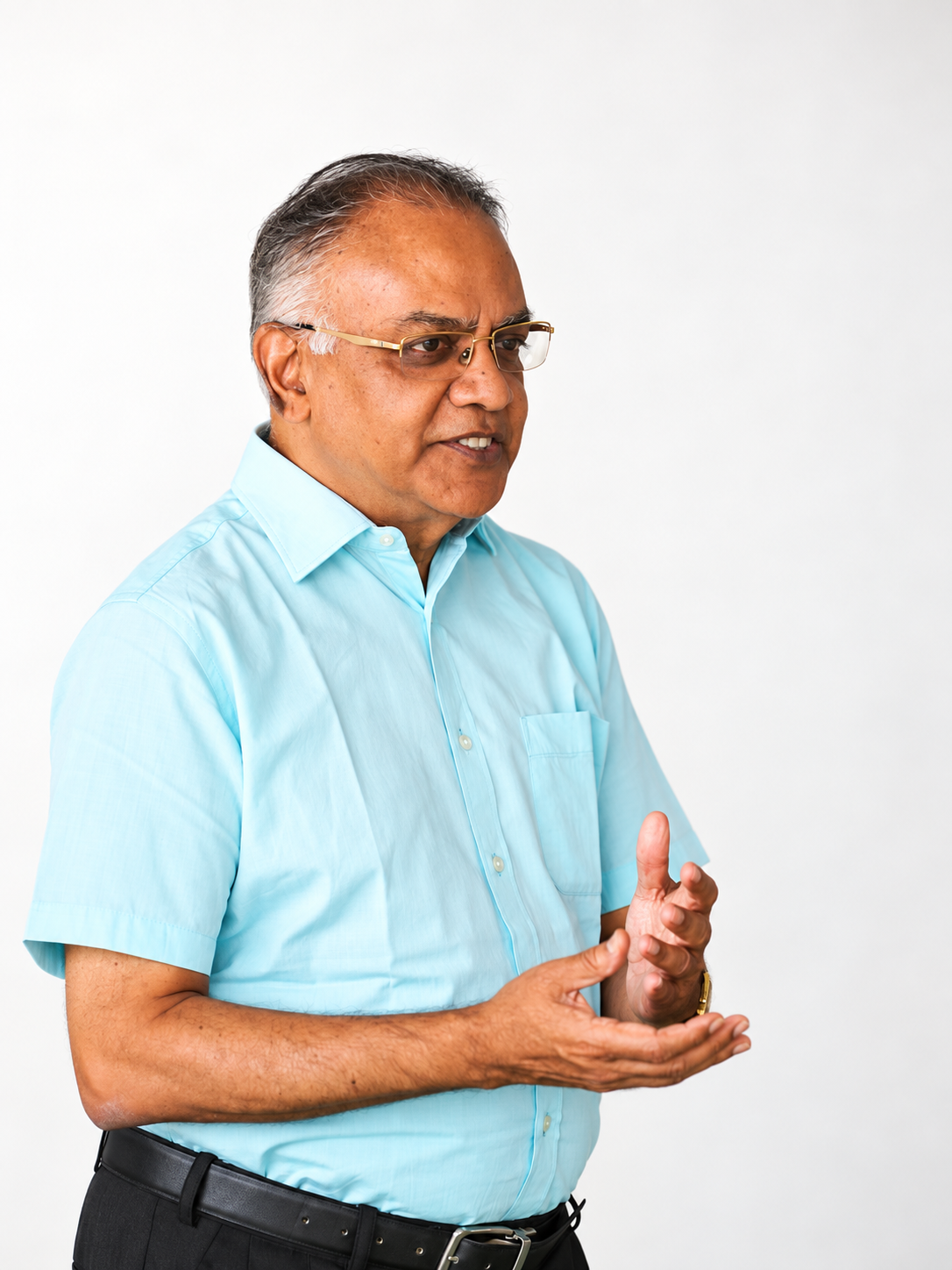
Dr. S. S. Meenakshisundram
Public service & governance
A former IAS officer and former Chief Secretary of Karnataka, Dr. S. S. Meenakshisundram brings extensive experience in public administration and governance to The Progenitor.
He also served as Joint Secretary to three Prime Ministers, bringing senior-level perspective on policy, institutions and public service.
Vice-Chairman
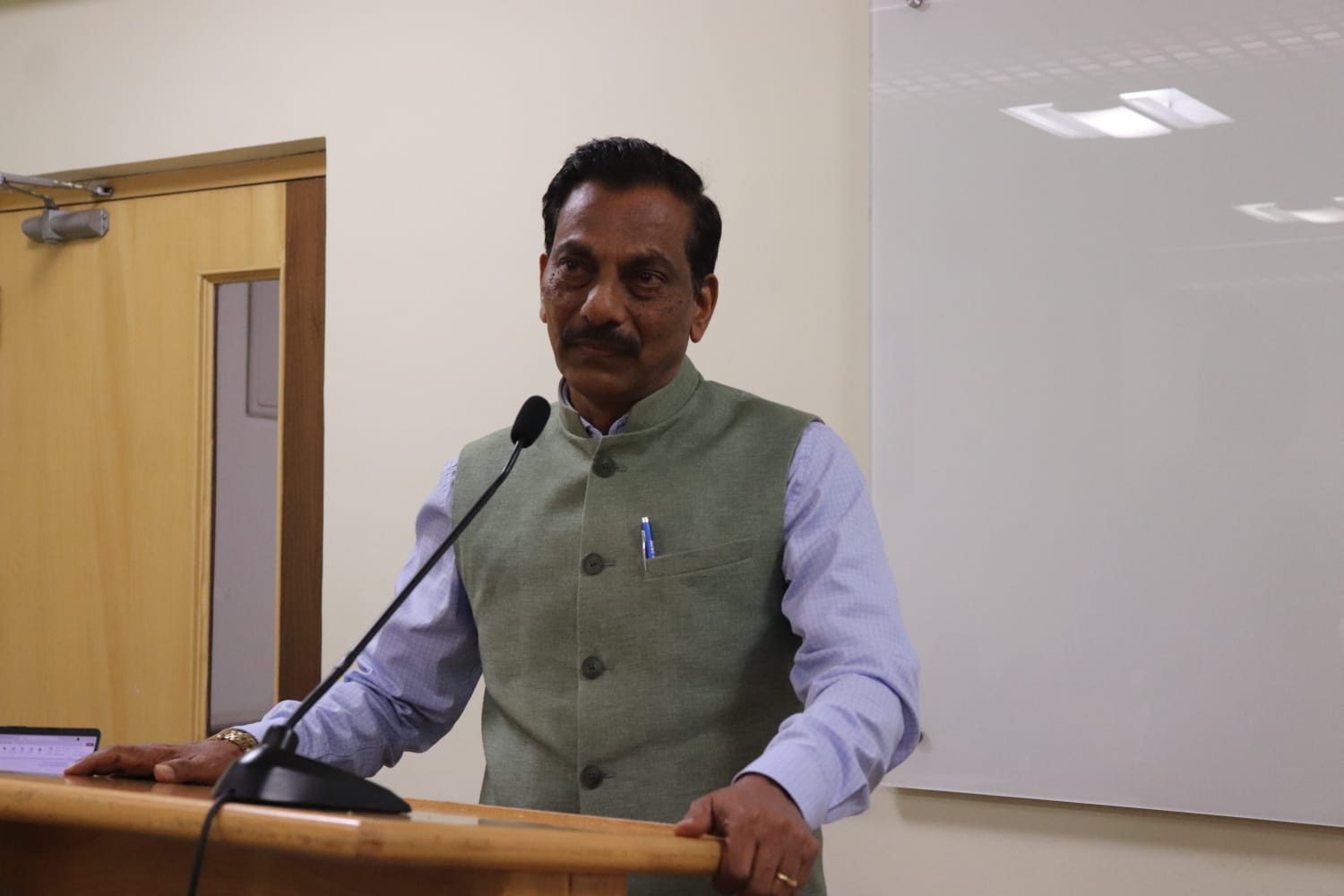
Shri Ravindra Bhandary
Banking & education
Shri Ravindra Bhandary is a former General Manager of a Bank and presently serves as Vice-President at Jain (Deemed-to-be University).
His experience across banking and education supports institution building, financial stewardship and community engagement.
Vice-Chairman
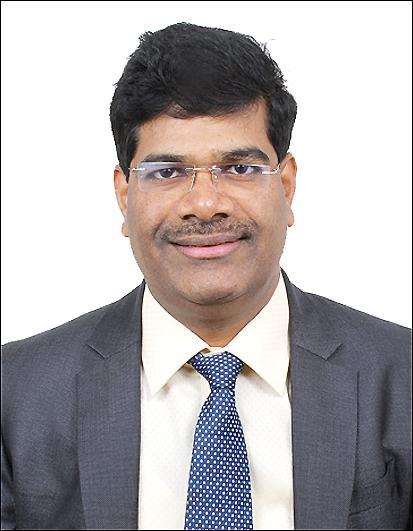
Dr. Nagaraj Moorthy
Healthcare
Dr. Nagaraj Moorthy is a renowned cardiologist associated with Jayadeva Hospital.
He brings clinical insight into the health needs of senior citizens and helps shape responsible health and wellbeing programmes.

Secretary
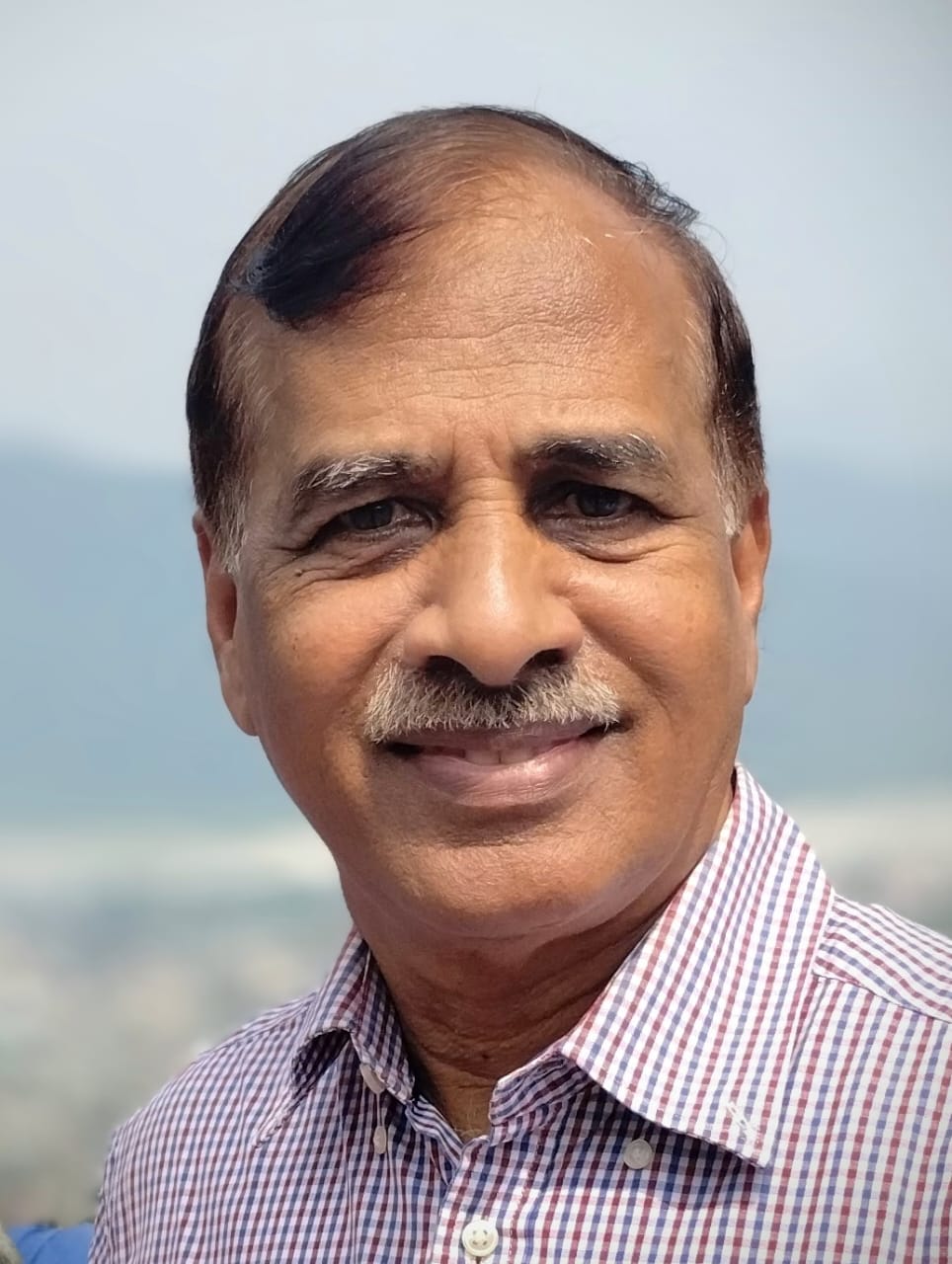
Shri Anil Kumar K
Trust administration
Shri Anil Kumar K serves as Secretary of The Progenitor and supports the Trust's administration, coordination and programme execution.
His role helps translate the Trust's objectives into organised activity across its community initiatives and partnerships.
Joint Secretary (Legal)
Shri Sridhar V. Naik
Legal & banking
Shri Sridhar V. Naik is a former Assistant General Manager of a Bank and serves as Joint Secretary for Legal matters.
His background supports governance, process discipline and legal or institutional matters connected to the Trust's work.
Joint Secretary (Technology)
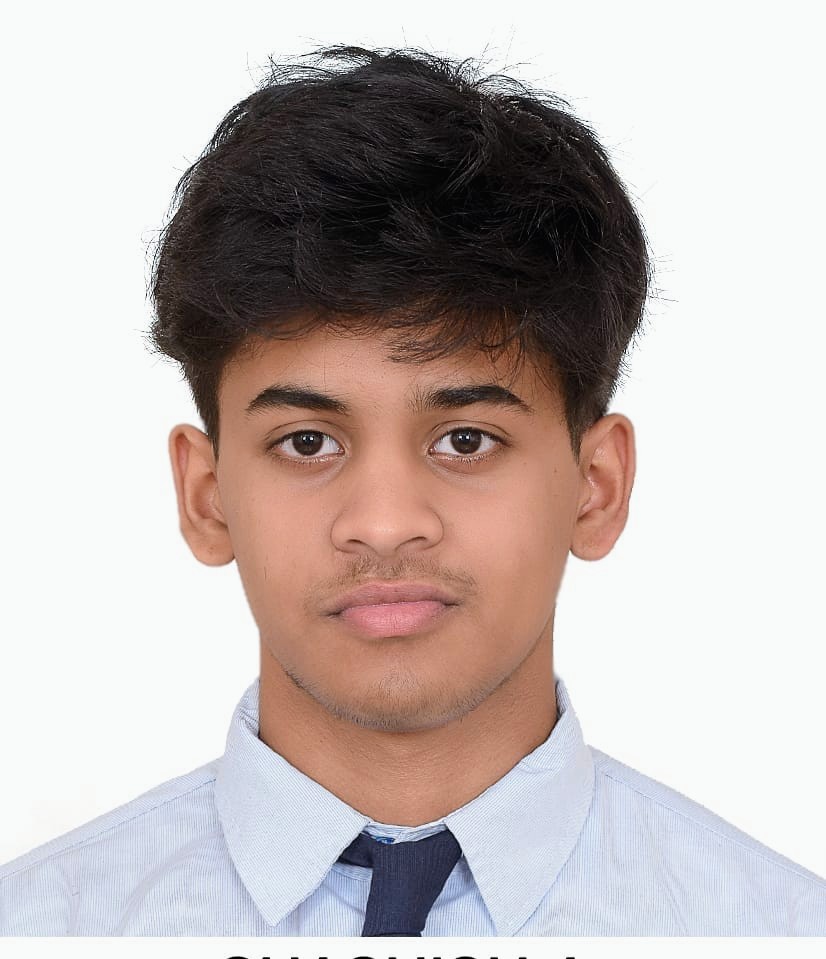
Shri Shashish A
Technology · Representing Gen Z
Shri Shashish A serves as Joint Secretary for Technology and represents the younger generation within the Trust's leadership.
His role reflects one of The Progenitor's core ideas: younger people can help seniors use technology with greater confidence, safety and independence.
Treasurer
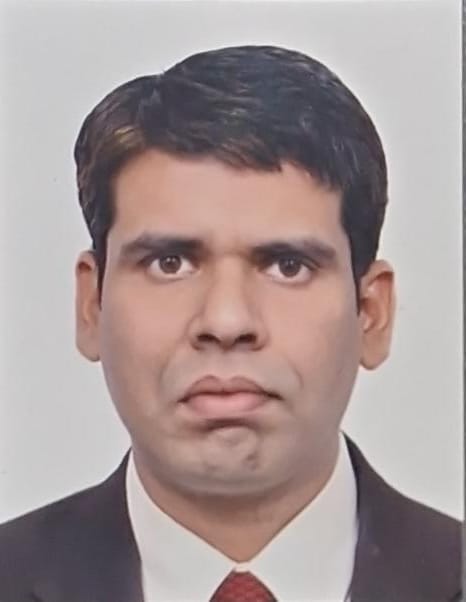
Shri Aknath Sahu
Finance
Shri Aknath Sahu serves as Treasurer of The Progenitor and is associated with Deutsche Bank.
He supports the Trust's financial stewardship and the disciplined management of resources used for its programmes and objectives.